

The quest for better sleep often leads us down complex paths: new mattresses, blackout curtains, expensive tracking gadgets, or restrictive evening routines. We chase marginal gains, overlooking the single most profound, yet utterly free, change we can make: how we breathe.
If you wake up tired, feel sluggish mid-day, or have a dry mouth in the morning, you’ve likely spent the night breathing through your mouth. This common habit is a physiological roadblock, sabotaging your sleep quality, draining your energy, and keeping your body in a low-grade state of stress.
But what if you could unlock a deeper, more restorative sleep—one that increases your body’s oxygenation, naturally lowers stress hormones, and even reduces the symptoms of snoring and sleep apnea—all without a single lifestyle overhaul?
The answer lies in training your body to return to its original design: nasal breathing, even while you sleep. And the best part? It doesn’t require complex yoga, expensive gadgets, or conscious effort. There is one simple bedtime trick that trains this profound shift automatically.
The article ahead will delve into the powerful science of nasal breathing at night, expose the hidden costs of mouth breathing, and reveal the simple, passive technique that could fundamentally change the quality of your rest, starting tonight.
The Hidden Saboteur: Why Mouth Breathing Drains Your Energy
The human body is equipped with two magnificent air filtration and conditioning systems: the nose and the mouth. Yet, only one is designed for the low-effort, high-efficiency task of continuous breathing.
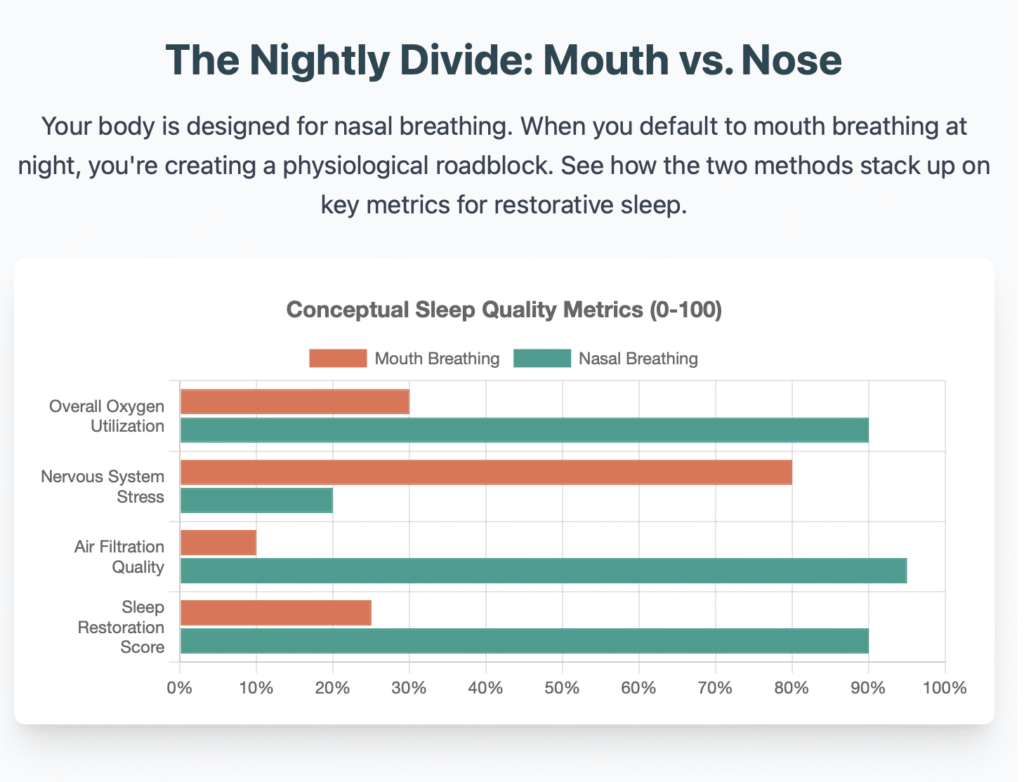
Mouth breathing is the default mechanism of a stressed or congested person. As a nocturnal habit, it is a metabolic drain that robs your body of true rest. Here’s a detailed breakdown of the silent damage it inflicts:
- Shallow and Rapid Air Intake: Air taken through the mouth tends to be shallower and faster, engaging the upper chest muscles (accessory breathing muscles) rather than the diaphragm. This keeps the body’s sympathetic nervous system (fight-or-flight) slightly activated, preventing the deep relaxation needed for restorative sleep.
- No Filtration or Conditioning: The mouth offers no resistance, allowing cold, dry, unfiltered air to rush directly into the lungs. The delicate lung and bronchial tissues are exposed to pathogens and allergens, leading to inflammation and increased susceptibility to illness.
- Excessive Water Loss: We lose a significant amount of moisture from our bodies overnight. Mouth breathing accelerates this loss dramatically through evaporation, leading to the dreaded dry mouth, cracked lips, and even nocturnal dehydration. This dehydration thickens the blood, making the heart work harder.
- The CO2 Paradox: This is the most crucial, yet counter-intuitive, point. Many people believe more oxygen equals better breathing. However, your body’s ability to use oxygen is dependent on a specific level of carbon dioxide (CO2). Mouth breathing, being shallower and more rapid, flushes out too much CO2 (hyperventilation). According to the Bohr Effect, without sufficient CO2 levels, hemoglobin in your blood holds onto oxygen molecules, preventing them from being released to your muscles, brain, and organs.
https://www.youtube.com/watch?v=KdxvfWYN7s0
In short, when you breathe through your mouth at night, you may be taking in air, but you are drastically hindering your ability to use the oxygen to power your body, leaving you less oxygenated and more exhausted.
The Profound Benefits of Nasal Breathing at Night
Switching from oral to nasal breathing at night increases oxygenation and lowers stress hormones, immediately shifting your sleep into a deeper, more therapeutic state. The nose is not just a passageway; it is a meticulously designed air preparation system that ensures every breath delivers maximum benefit.
1. Optimal Oxygen Utilization and The Nitric Oxide Advantage
When air travels through the intricate twists and turns of the nasal turbinates, it undergoes a transformation:
- Warming, Filtering, and Humidifying: The nasal passages clean, warm, and humidify the air, making it gentle on the lungs and reducing the body’s need to expend energy on conditioning the air itself.
- The Crucial Role of Nitric Oxide (NO): The paranasal sinuses are a major natural reservoir for Nitric Oxide (NO), a powerful gaseous molecule. Nasal breathing draws this NO directly into the lungs. Nitric Oxide is a natural vasodilator, meaning it relaxes and widens blood vessels. This effect leads to a significant improvement in blood flow, which in turn allows the alveoli in the lungs to absorb oxygen far more efficiently. This phenomenon is a direct path to a measurable increase in blood oxygen saturation during the night.
2. Calming the Mind and Body: Stress Hormone Reduction
Breathing through the nose is an inherently slower, deeper process due to the natural resistance of the nasal passages. This slower rhythm has a direct and profound impact on the nervous system:
- Parasympathetic Activation: Nasal breathing automatically forces you to engage your diaphragm—your primary breathing muscle. Diaphragmatic breathing is the on-switch for the parasympathetic nervous system (PNS), the “rest and digest” branch. By consistently engaging the PNS, your body reduces the production and circulation of cortisol, the primary stress hormone.
- Deep Rest: Lower cortisol levels throughout the night allow the body to properly enter and sustain the deep stages of sleep (NREM 3 and REM), which are vital for physical repair, memory consolidation, and emotional regulation. Waking up truly rested is often simply the result of a less stressed night.
3. Reduced Snoring and Sleep Apnea Symptoms
For millions of people, a mouth-breathing habit is a key component of disruptive sleep disorders. Nasal breathing reduces snoring and sleep apnea symptoms in several ways:
- Snoring Prevention: When the mouth is open, the jaw naturally drops back, the tongue slides into the back of the throat, and the soft tissues (uvula, soft palate) become slack. Snoring is the sound of air attempting to pass these vibrating tissues. Keeping the lips sealed encourages the tongue and jaw to stay in a forward, supportive position, opening the airway and minimizing vibration.

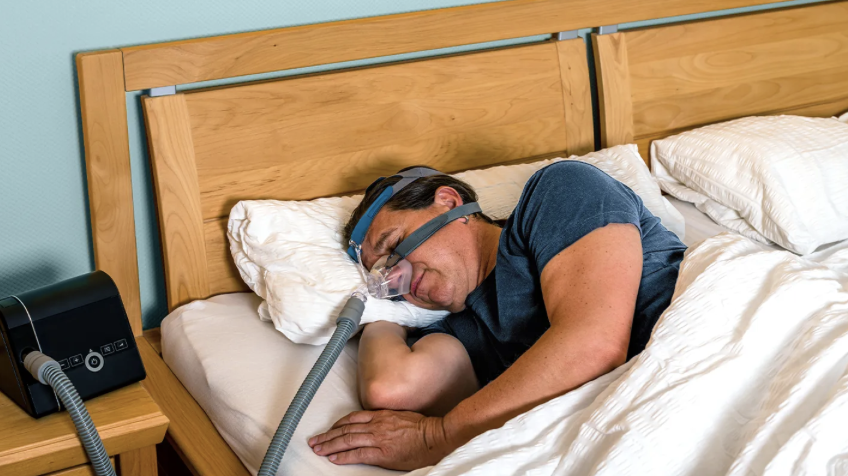
- Natural Airway Pressure: The subtle resistance inherent in nasal breathing creates a slight amount of positive back pressure throughout the upper airway, from the nose down to the pharynx. This small, continuous pressure acts like a natural, gentle version of a CPAP machine, helping to maintain airway patency and preventing the total or partial collapses that characterize mild to moderate obstructive sleep apnea.
The Simple Secret: The Automatic Training Trick
The benefits are clear, but how do you break a deeply ingrained, subconscious habit like nocturnal mouth breathing? You don’t need to try and “think” your way through the night; you need a gentle, passive training aid.
The secret is a non-invasive, gentle technique known as “Sleep Taping” or “Mouth Taping.”
“One simple bedtime trick trains nasal breathing automatically.”
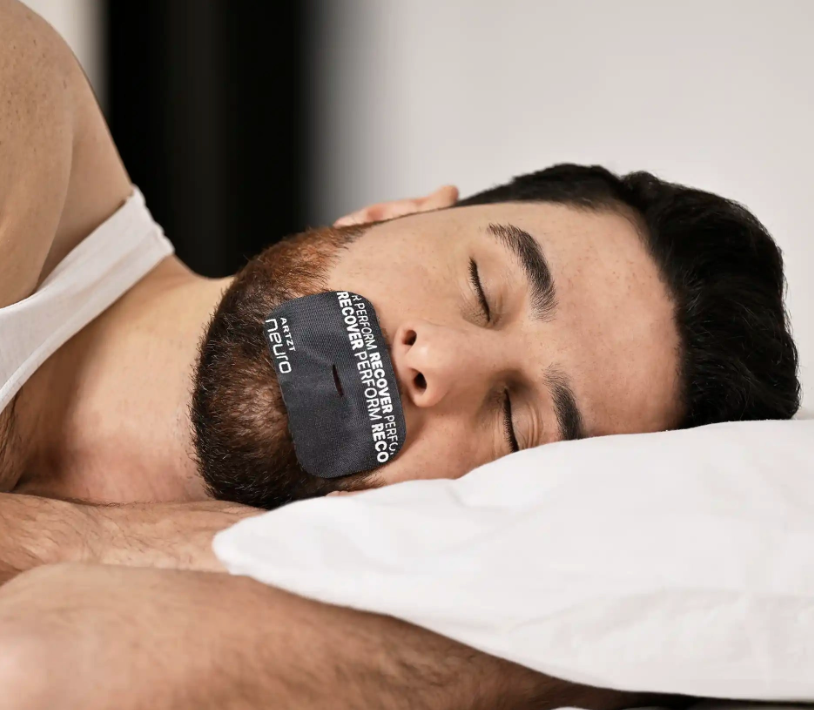
The process is incredibly simple: use a small, specially designed, porous strip of tape to gently secure your lips before falling asleep.
How the Trick Works
The goal of sleep taping is not to forcefully restrict breathing, but to provide a consistent, physical reminder that trains your subconscious mind to default to the nasal airway.
- Passive Reminder: When your relaxed jaw begins to sag or your lips start to part during the night, the tape provides a gentle, tactile cue.
- Subconscious Adjustment: This cue registers in the subconscious, prompting the sleeper to subtly adjust their facial muscles, keeping the lips sealed and forcing the air intake through the only remaining available pathway: the nose.
- Myofunctional Training: Over time, the tape retrains the muscles of the face, tongue, and throat (myofunctional therapy), encouraging them to rest in the anatomically correct position for quiet, efficient nasal breathing. Many users find that after consistent use, they no longer need the tape; the habit is permanently reset.
Safety and Best Practices: Getting Started Tonight
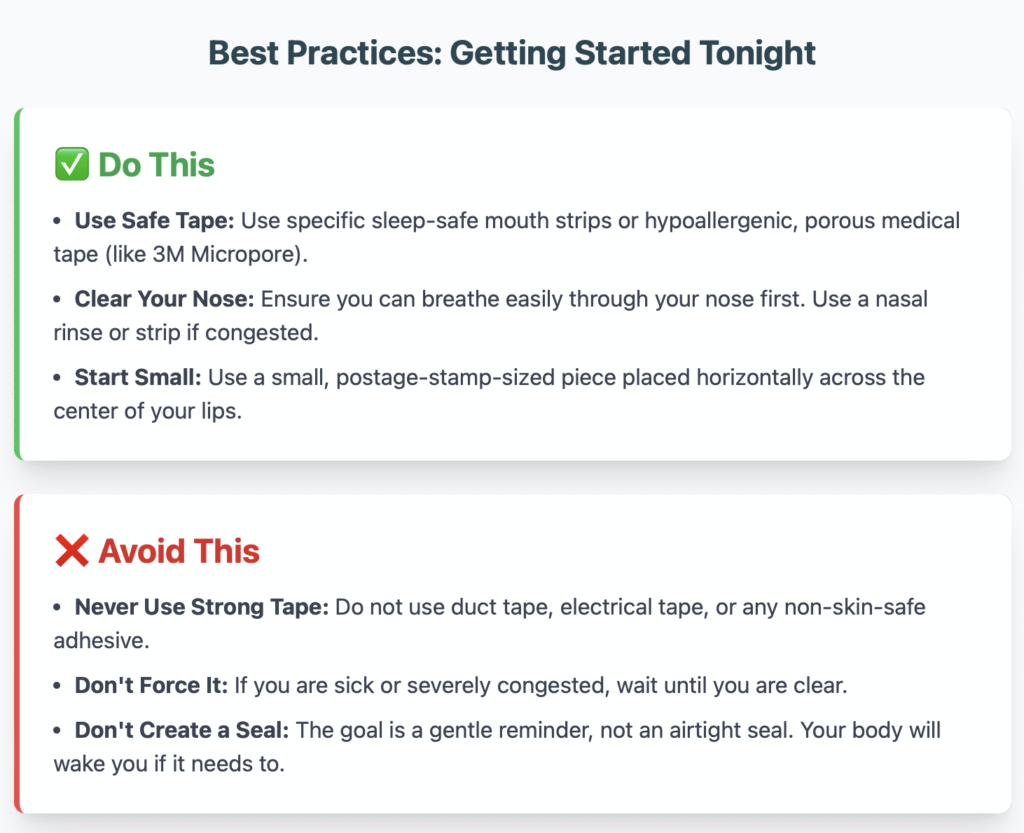
While the concept is straightforward, it is essential to follow best practices:
- Choose the Right Tape: Never use duct tape, electrical tape, or any strong adhesive tape. Use a specific sleep-safe mouth tape (widely available online) or a simple, hypoallergenic, porous medical tape (like 3M Micropore). The tape must be easy to remove and allow for airflow should the need arise.
- Ensure a Clear Nose: The trick only works if you can breathe easily through your nose. If you have severe congestion (due to illness or allergies), it is best to use a nasal rinse or a nasal strip to clear the airway before taping.
- Start Small: Begin by just sitting up and wearing the tape for 30 minutes to get used to the feeling. When ready to sleep, use a small, postage-stamp-sized piece placed horizontally across the center of the lips, ensuring the corners of the mouth are free.
- Safety Assurance: Your body’s survival instinct is incredibly strong. If your nasal airway becomes truly blocked or if your CO2 levels rise too high, your body will automatically wake you up or force your mouth open. The tape is a gentle trainer, not a permanent seal.
Conclusion: Breathing is Believing
The path to profound, restorative sleep doesn’t have to be complicated or costly. It starts with a return to the most fundamental physiological process: breathing.
By adopting a simple, non-invasive bedtime trick, you can passively retrain your body to unlock the full potential of nasal breathing—a potential that delivers enhanced O2 saturation, natural vasodilation, a lowered stress response, and a significant reduction in disruptive sleep symptoms.
Imagine waking up not just having slept, but having healed, repaired, and re-oxygenated throughout the night. That is the power of switching to nasal breathing. No new diet, no grueling workout, no expensive gadgets required. Just a single, simple, nightly adjustment.
Why wait for a life of energy and clarity?