

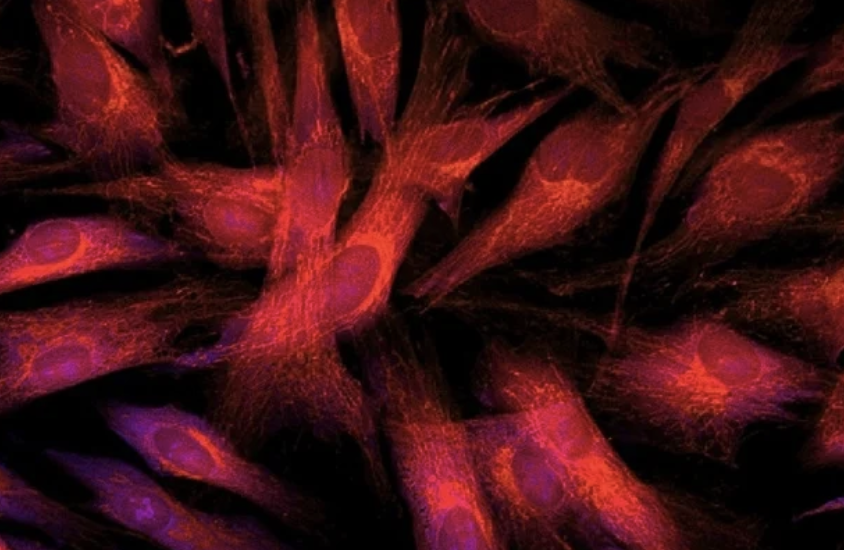
The concept of using light as a therapeutic tool is ancient, but only recently has modern science validated and precisely defined the mechanism by which red and near-infrared (NIR) light can profoundly boost human health—by directly powering the cell’s energy centers: the mitochondria.
This phenomenon, known scientifically as Photobiomodulation (PBM), is the key to understanding why specific wavelengths of light can accelerate muscle recovery, balance hormones, and initiate deep skin repair. It is, quite literally, fueling the body at a cellular level.

The Engine of Life: Mitochondria and the ATP Boost
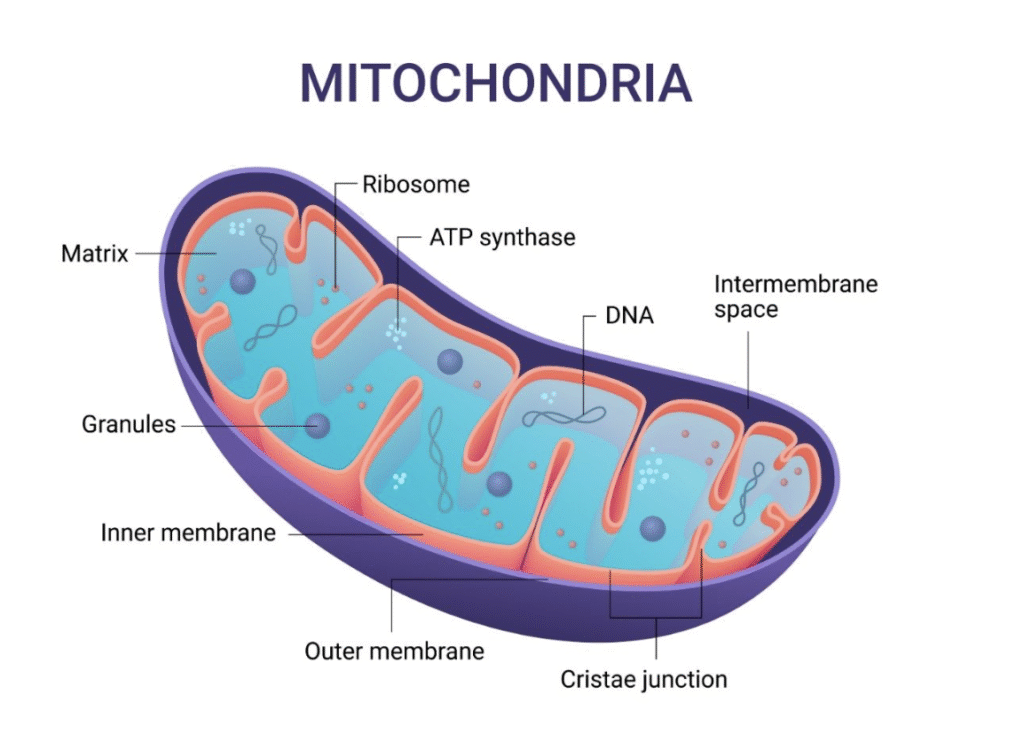
To understand the power of red light, one must first appreciate the role of the mitochondria. Often called the “powerhouse of the cell,” the mitochondrion is responsible for generating over 90% of the body’s energy in the form of a molecule called Adenosine Triphosphate (ATP). This ATP is the universal currency of energy that drives nearly every biological process, from muscle contraction to complex brain function.
⚡️ The Mechanism: Cytochrome c Oxidase
The crucial link between red light and energy production lies within the inner mitochondrial membrane, at a protein complex called Cytochrome c Oxidase (CCO) (also known as Complex IV of the Electron Transport Chain).
Under conditions of stress, illness, or even intense exercise, a molecule called Nitric Oxide (NO) can bind to the CCO, effectively slowing down the process of ATP generation. Think of it as a temporary brake on the engine.
This is where the light intervention occurs:
- Light Absorption: Red and NIR photons are absorbed by the CCO, which acts as a photoreceptor.
- Nitric Oxide (NO) Displacement: The absorbed photons cause the NO molecule to dissociate (detach) from the CCO.
- Enhanced Electron Transport: With the brake released, the electron transport chain (ETC) can run more efficiently. Protons are pumped across the membrane, increasing the electrical gradient (membrane potential).
- ATP Synthesis: The increased gradient drives the enzyme ATP synthase to dramatically ramp up the production of ATP.
The result is a surge in cellular energy, reducing cellular stress, accelerating repair, and improving overall cell function—all originating from a simple beam of light.
🧐 The Therapeutic Window: Why Wavelength Matters
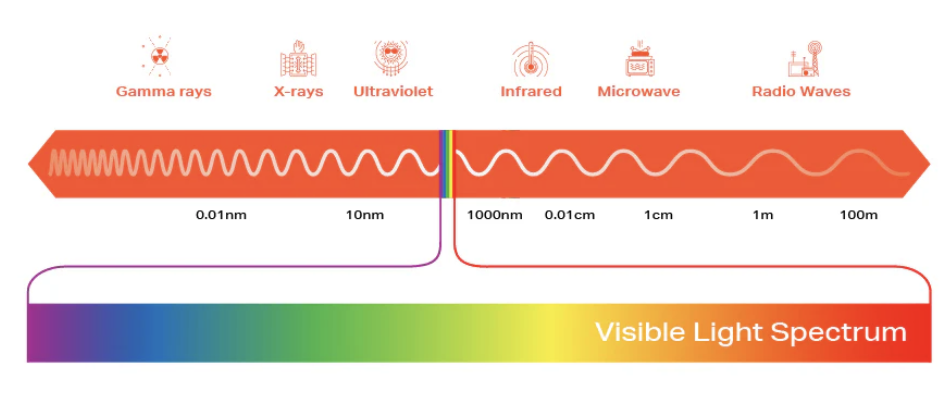
While the sun emits a full spectrum of light, not all wavelengths have the same therapeutic effect. The crucial insight into Red Light Therapy (RLT) is that only specific wavelengths possess the ability to penetrate tissue deeply enough to reach the mitochondria without being scattered or absorbed by water and hemoglobin in the shallow layers.
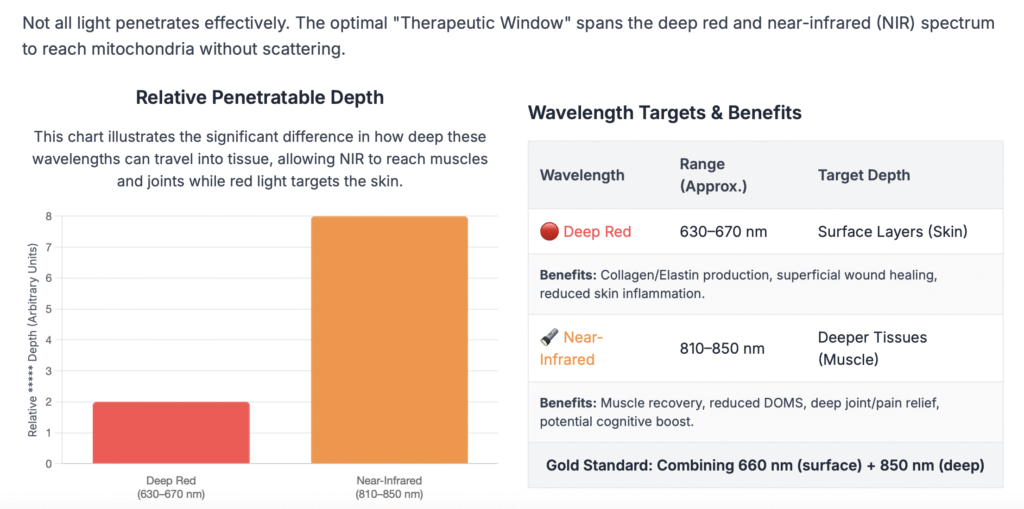
This optimal range is known as the “Therapeutic Window,” spanning the deep red and near-infrared (NIR) spectrum.
🔴 Deep Red Light (Approx. 630−670 nm):
- Target: Primarily the surface layers of the skin (epidermis and dermis).
- Benefits: Highly effective for collagen production, wound healing, reducing superficial inflammation, and treating dermatological conditions. It has a high absorption rate by CCO.
🔦 Near-Infrared Light (Approx. 810−850 nm):
- Target: Deeper tissues, including muscle, bone, and neural tissue.
- Benefits: Less visible to the naked eye, these wavelengths penetrate much deeper, allowing the light energy to reach mitochondria in muscle fibers and joints. This is crucial for muscle recovery and deep pain relief.
- Penetration Depth: The 810 nm to 850 nm range exhibits the best combination of low absorption by water and high absorption by the CCO in deeper structures.
The combination of 660 nm (deep red) and 850 nm (NIR) is widely considered the gold standard in effective RLT devices, ensuring both surface and deep tissue penetration.
🔬 The Science of Restoration: Therapeutic Applications
https://www.youtube.com/watch?v=6Win49aeh8A
The foundational effect of boosting mitochondrial ATP production and reducing oxidative stress cascades into a remarkable range of physical benefits:
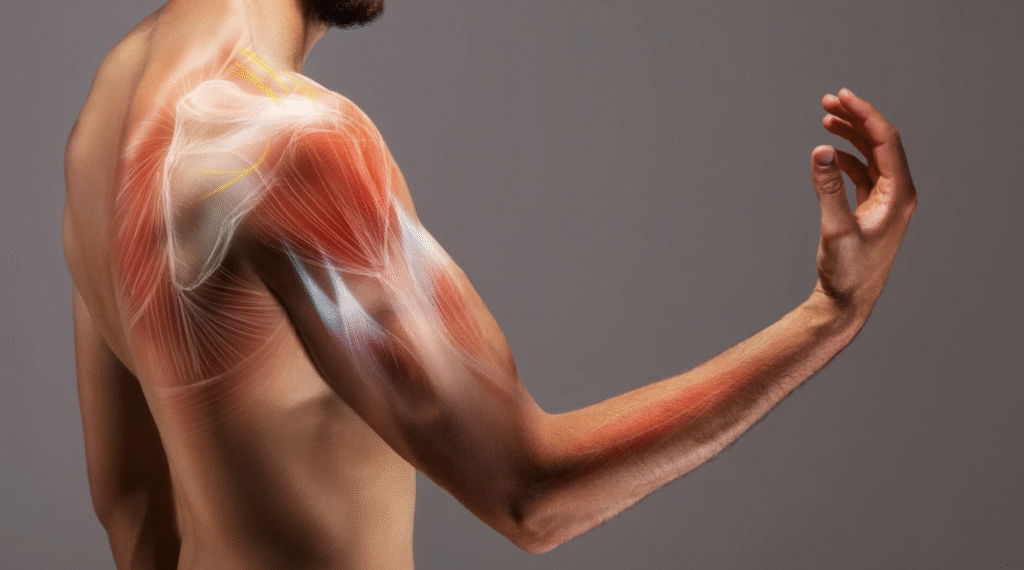
1. 💪 Muscle Recovery and Performance
Intense exercise leads to micro-tears in muscle tissue, which require significant ATP for repair. It also generates reactive oxygen species (ROS) and localized inflammation, contributing to delayed onset muscle soreness (DOMS).
- Mechanism: RLT applied pre- or post-exercise saturates muscle mitochondria, leading to an immediate increase in available ATP. This extra energy facilitates faster protein synthesis for repair and improved blood flow to flush out metabolic waste.
- Outcomes: Studies have shown reduced muscle fatigue, decreased DOMS severity, and increased peak torque and strength when RLT is used strategically.
2. ✨ Skin Repair, Anti-Aging, and Wound Healing
The skin is the body’s largest organ and is highly accessible to red light. The fibroblast cells, which are responsible for producing collagen and elastin, are particularly responsive to PBM.
- Mechanism: Red light activates fibroblasts to significantly increase the production of collagen and elastin (the structural proteins that give skin its firmness and elasticity). It also enhances circulation, bringing more oxygen and nutrients to the skin’s surface.
- Outcomes: Clinically proven to reduce fine lines and wrinkles, improve skin tone, fade scars, and dramatically accelerate the healing of chronic wounds (diabetic ulcers, burns) by boosting mitochondrial function in damaged cells.

3. ⚖️ Endocrine and Hormone Balance
While research is less conclusive than for muscle and skin, emerging evidence suggests RLT may influence certain hormone-producing organs.
- Thyroid Function: Application of RLT over the thyroid gland in some patients with chronic autoimmune thyroiditis has shown promising results, often leading to a reduction in inflammation markers and a decreased need for medication. The mechanism is thought to be the stimulation of mitochondrial activity in the thyroid cells.
- Testosterone & Fertility: Early studies suggest that NIR light applied to the testes may increase testosterone production and sperm motility by improving the mitochondrial function in Leydig cells and sperm cells, which are heavily dependent on ATP.
4. 🧠 Cognitive Function and Mental Health
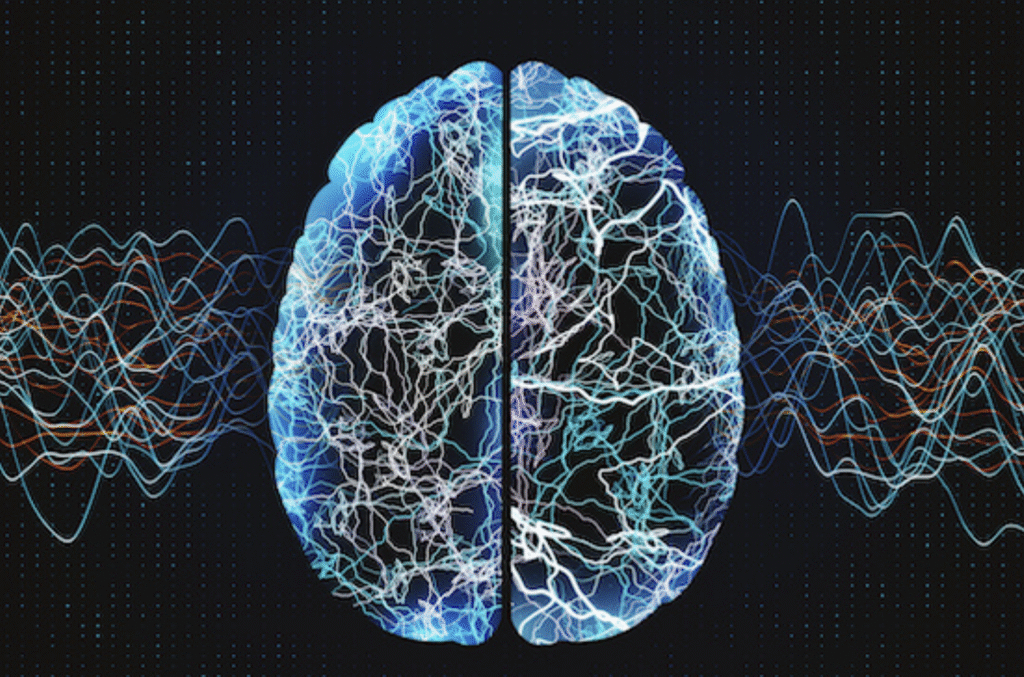
The non-invasive application of NIR light to the head is an emerging area of research for Transcranial Photobiomodulation (tPBM).
- Mechanism: Because NIR light can penetrate the skull, it is absorbed by the mitochondria in the brain’s neurons. This increase in ATP may enhance neuronal metabolism, improve blood flow (cerebral perfusion), and boost the efficiency of signaling pathways.
- Outcomes: Research is exploring its potential for treating conditions like mild traumatic brain injury, Alzheimer’s disease, depression, and anxiety by reducing neuro-inflammation and promoting neurogenesis.
Safety, Dosage, and Conclusion
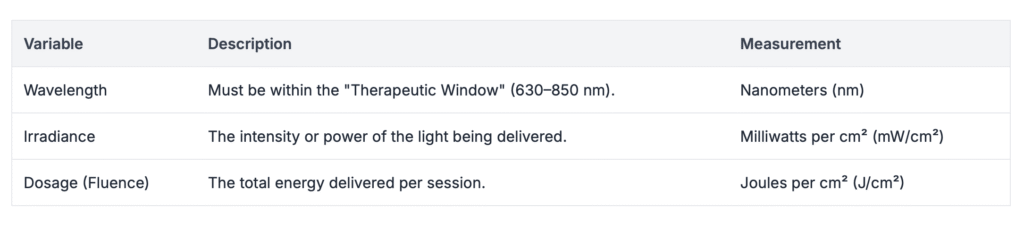
Red Light Therapy is widely considered a safe, non-invasive, and drug-free therapeutic option with minimal to no side effects, especially when using reputable, third-party tested devices. The key variables for therapeutic success are:
- Wavelength: The necessity of the 630−670 nm and 810−850 nm ranges.
- Irradiance/Power: The intensity of the light delivered (measured in mW/cm2).
- Dosage (Fluence): The total energy delivered over a session (measured in Joules/cm2). Typically, a therapeutic session delivers between 3−15 J/cm2.
The future of cellular health is bright, and it’s bathed in red and near-infrared light. By understanding that light is not just something we see, but a source of direct mitochondrial fuel, we unlock a powerful, natural pathway to accelerate the body’s intrinsic ability to heal, perform, and regenerate. The therapeutic wavelength is not a magic number, but a precisely measured tool for optimizing the most fundamental process of life: energy production.