
This comprehensive guide provides everything you need to make medicinal-grade bone broth at home. We dive deep into the science of gut healing, provide three distinct recipes for different digestive needs, and share the professional secrets to ensuring you get that nutrient-dense “liquid gold” gel every single time.
- Recipe 1: The Deep Healer (Beef). A mineral-dense, gelatin-rich broth simmered for 48 hours to seal the gut lining.
- Recipe 2: The Anti-Inflammatory Soother (Chicken). A golden broth infused with turmeric and ginger, perfect for sensitive stomachs and fighting inflammation.
- Recipe 3: The Gentle Restorer (Fish). A quick, light, and iodine-rich broth that is easy to digest and ready in under two hours.
The Science: Why Bone Broth is the Ultimate Gut Superfood
I still remember the first time I made a “real” batch of bone broth. I had been struggling with digestive issues for months—bloating that wouldn’t go away, constant fatigue, and a general feeling of heaviness after every meal. I had read about bone broth in wellness circles, but I was skeptical. It sounded like just… soup. But after my first mug of properly made, gelatinous beef broth, I felt something I hadn’t felt in years: immediate, soothing relief. It wasn’t just food; it felt like medicine.
Bone broth isn’t a new wellness fad; it is an ancient tradition found in almost every culinary culture, from French bouillon to Jewish penicillin (chicken soup) to Chinese healing stocks. However, in the context of modern gut health, it is a powerhouse.
The magic lies in the collagen. When you simmer connective tissues, knuckles, and bones for a long period, the tough collagen breaks down into gelatin.
When you drink that warm gelatin, it acts almost like a soothing balm for the mucosal lining of your digestive tract. It helps to “seal” the gut lining (addressing “leaky gut” or intestinal permeability), reduces systemic inflammation, and provides essential amino acids. Specifically, it is rich in Glutamine, which is the primary fuel source for the enterocytes (cells) lining your intestines, and Glycine, which stimulates the production of stomach acid needed for proper digestion.
Whether you are dealing with IBS, food sensitivities, autoimmune issues, or just want to boost your immune system and skin health, these recipes are the foundational first step.
Recipe 1: The Deep Healer (Classic Beef Bone Broth)
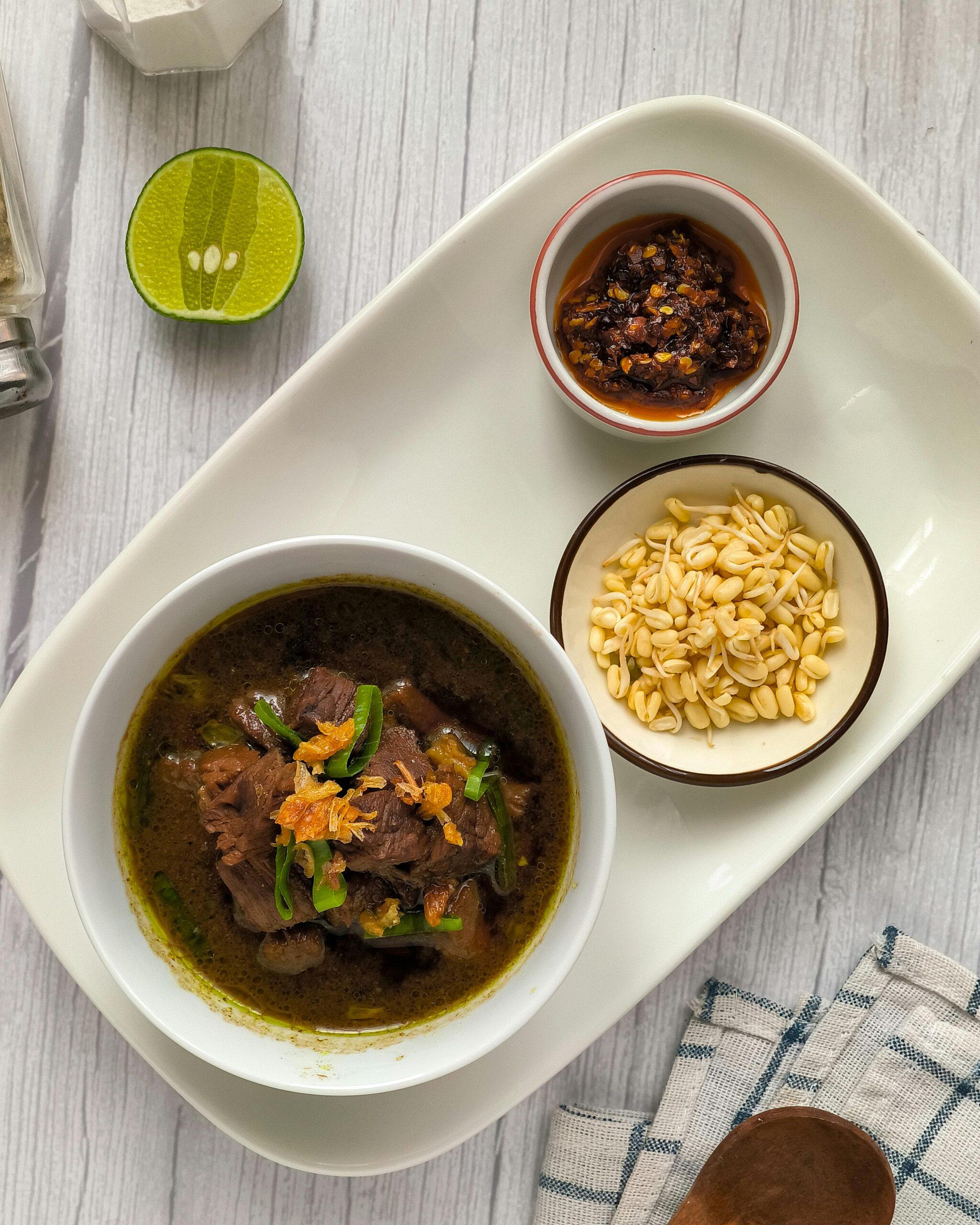
This is the heavy hitter of bone broths. Beef bone broth is rich, dark, savory, and incredibly high in minerals. The goal here is to extract as much collagen as possible, resulting in a broth that turns into a firm jelly when refrigerated. This “jiggle” is the visual sign of a successful, gut-healing broth.
Ingredients
- 4-5 lbs Beef Bones: A specific mix is crucial. You need marrow bones (femur pipes) for flavor and deep minerals, and high-collagen bones (knuckles, oxtail, or shanks) for the gelatin. If you only use marrow bones, you will get a delicious soup, but you won’t get the gut-sealing gel.
- 2 tbsp Apple Cider Vinegar (ACV): This is non-negotiable. The acid helps demineralize the bone, acting as a solvent to pull out calcium and magnesium.
- 2 Carrots, roughly chopped.
- 2 Celery Stalks, roughly chopped.
- 1 Onion, quartered (leave skins on for a beautiful golden color).
- 1 tsp Black Peppercorns.
- 2 Bay Leaves.
- Filtered Water.
Instructions
- Roast the Bones (The Flavor Step): Preheat your oven to 400°F (200°C). Place your bones on a large baking sheet and roast them for 40 minutes until they are browned and caramelized. This step is technically optional for nutrition, but skipping it results in a bland, greasy broth. Roasting gives it a rich, deep, savory flavor that makes it enjoyable to drink.
- The Acid Soak: Place the roasted bones into a large stockpot (or a large slow cooker). Add the vegetables, peppercorns, and bay leaves. Pour in the Apple Cider Vinegar. Add just enough filtered water to cover the bones by about an inch. Crucial Step: Let this sit at room temperature for 30 minutes before turning on the heat. This allows the vinegar to penetrate the bones and start the demineralization process.
- The Simmer:
- Stovetop: Bring the pot to a boil, then immediately reduce to the lowest possible simmer. You want a stray bubble breaking the surface now and then, not a rolling boil. Cover with a lid slightly ajar. Simmer for 24 to 48 hours.
- Slow Cooker: Set to low and cook for 24 to 48 hours.
- Skim the Scum: During the first hour of cooking, impurities and a gray foam will rise to the top. This is normal. Skim this off with a spoon and discard it to ensure a clean taste.
- Strain: After the long simmer, the bones should be brittle and chalky (proof you got the minerals out!). Strain the liquid through a fine-mesh sieve into glass jars.
- Cool and Set: Let the jars cool on the counter, then refrigerate. A layer of fat will harden on top. This fat seals the broth and keeps it fresh in the fridge. Underneath, your broth should be gelatinous and wiggly!
Recipe 2: The Anti-Inflammatory Soother (Golden Chicken Broth)
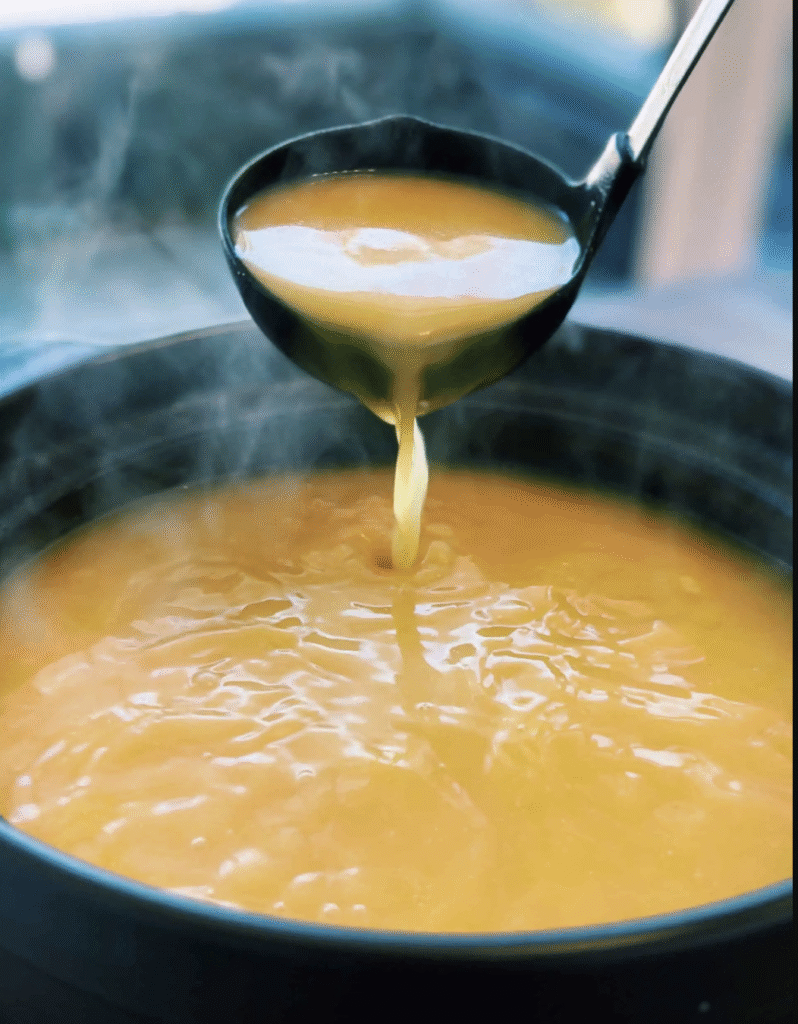
This recipe is lighter than beef and easier on the palate if you are feeling nauseous, have a cold, or have a sensitive stomach. We boost the gut-healing properties by adding turmeric and ginger, creating a “golden” broth that actively fights inflammation in the body.
Ingredients
- 3-4 lbs Chicken Parts: The best broth comes from a whole raw chicken carcass or a mix of wings, necks, and backs.
- The Secret Ingredient: Add 4-5 chicken feet. It sounds intimidating if you haven’t used them before, but chicken feet are almost pure cartilage and connective tissue. They will guarantee the best, thickest gel you’ve ever seen.
- 2 tbsp Apple Cider Vinegar.
- 2-inch piece of Fresh Ginger, sliced (no need to peel).
- 2-inch piece of Fresh Turmeric, sliced (or 1 tbsp high-quality turmeric powder).
- 1 Onion, quartered.
- 1 Leek, green parts included, washed well (leeks are a prebiotic).
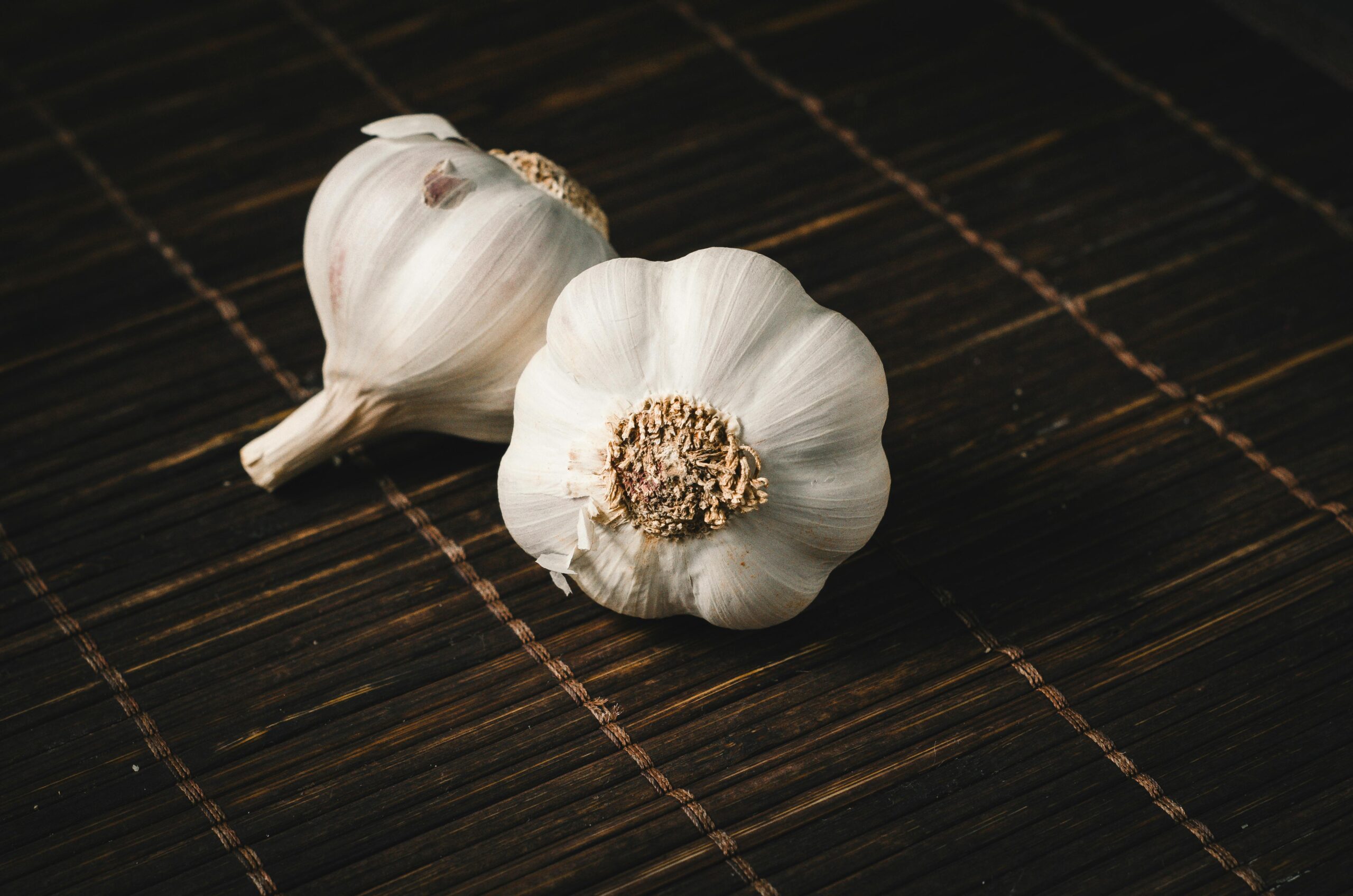
- 1 head of Garlic, halved crosswise.
- Filtered Water.
Instructions
- Combine: There is no need to roast chicken bones (though you can if you prefer a deeper flavor). Place the chicken parts/carcass, chicken feet, vegetables, ginger, turmeric, and vinegar into your pot.
- Water Level: Pour in filtered water to just cover the ingredients. Chicken bones are less dense than beef and take up more volume, so be careful not to dilute it with too much water.
- The Simmer:
- Stovetop/Slow Cooker: Bring to a boil, skim the grey foam, then reduce to a low simmer. Cook for 12 to 24 hours. Chicken bones extract faster than beef; after 24 hours, the flavor can sometimes turn strange or bitter, so 18 hours is often the sweet spot.
- Strain: Pour through a fine-mesh sieve. Press down on the vegetables and bones slightly with the back of a ladle to extract all the savory juices.
- Season: I usually recommend salting chicken broth after cooking, right before you drink it. This ensures you don’t over-concentrate the salt during the reduction process.
Recipe 3: The Gentle Restorer (Fish Bone Broth)
Fish broth is the unsung hero of the gut health world. It is rich in iodine (great for thyroid health, which is directly connected to gut motility) and unique amino acids. It is extremely light, mineral-rich, and very easy to digest, making it perfect for those recovering from a stomach bug or a severe flare-up who can’t stomach rich meat fats. The best part? It’s done in under two hours.
Ingredients
- 2-3 lbs Fish Frames/Heads: Ask your fishmonger for heads and frames of non-oily white fish like Halibut, Cod, Snapper, or Rockfish. Avoid oily fish like Salmon, Mackerel, or Sardines for long simmering, as their delicate omega-3 oils oxidize quickly and can make the broth taste fishy and rancid.
- 1/2 cup White Wine or 1 tbsp Lemon Juice: (Replaces the vinegar for a better flavor profile).
- 1 Fennel Bulb, chopped (fennel is incredible for soothing digestion).
- 1 Leek, white parts only.
- Fresh Parsley and Thyme stems.
- Filtered Water.
Instructions
- Clean the Fish: Rinse the fish heads and frames thoroughly under cold water. Remove the gills if they are still attached (gills can make the stock bitter and metallic).
- Combine: Place fish, fennel, leek, herbs, and wine/lemon juice in a pot. Cover with cold filtered water by one inch.
- The Gentle Heat: Bring the pot to a very slight shimmer—not a rolling boil. Fish stock is delicate. If you boil it hard, the fish breaks apart, emulsifies, and the stock becomes cloudy and chalky.
- The Short Simmer: Simmer for 45 minutes to 90 minutes. Do not exceed that time. Unlike meat bones, fish bones dissolve quickly and will release bitter flavors if cooked too long.
- Strain Immediately: Carefully strain through a fine-mesh sieve or cheesecloth.
- Serve: This broth is best used immediately as a base for soups (like Miso soup or a seafood chowder) or sipped with a squeeze of fresh lemon and a pinch of sea salt.
My Personal Tips and Kitchen Wisdom
After years of making broth weekly to maintain my own digestive health, here are the secrets I’ve learned that recipes rarely tell you:
- The “Jiggle” is the Goal: If your beef or chicken broth stays liquid like water when cold, you likely used too much water or not enough collagen-rich bones (knuckles/feet). It is still nutritious and full of minerals, but for therapeutic gut healing, you want that gelatin. Next time, reduce the water or add more feet/knuckles.
- Don’t Waste the Fat: When you refrigerate beef broth, a thick white puck of fat (tallow) forms on top. Don’t throw this away! It is excellent for roasting potatoes or sautéing vegetables. However, do not drink it in large quantities if you have active digestive issues, as too much rendered fat can stimulate the bowels and cause diarrhea. Remove it before heating your mug.
- Histamine Warning: Long-simmered bone broths are high in histamines. If you have Mast Cell Activation Syndrome (MCAS) or histamine intolerance, traditional 48-hour bone broth might trigger headaches or hives. In this case, use an Instant Pot (Pressure Cooker). You can extract the gelatin in 2-3 hours under high pressure, which prevents high histamine buildup.
- Storage: Broth lasts 5 days in the fridge. If you won’t finish it by then, freeze it immediately. I like to freeze concentrated broth in silicone muffin trays or ice cube trays. Once frozen, pop them into a freezer bag. It makes it easy to grab a “puck” of broth to toss into rice, sauces, or a mug of hot water.
FAQs
How much should I drink per day for gut healing? For therapeutic gut healing, aim for 1 to 2 mugs (8-16 oz) per day. Consistency is key. Drink it first thing in the morning on an empty stomach for the best absorption and to “set the tone” for your digestion for the day.
Can I just buy store-bought broth? You can, but read the label carefully. Most shelf-stable grocery store “stocks” in cartons are water, salt, and yeast extract, with zero gel. They offer flavor but no healing properties. Look for brands found in the freezer section that explicitly say “bone broth” and check that they are distinctively jelly-like when cold.
What if I don’t have time to watch a pot for 48 hours? Use a slow cooker (CrockPot)! It’s the safest way. You can leave it on the counter for two days on “Low” and just top up the water if it drops too low. Alternatively, use an Instant Pot for 2-4 hours on high pressure.
Does the vinegar make it taste sour? Not at all. The acidity boils off during the long cooking process. It is strictly there as a chemical solvent to pull minerals from the bone matrix into the water.
Can I reuse the bones? For beef bones, yes! This is called a “remouillage” (French for “rewetting”). You can often get a second, lighter batch of broth from big beef knuckles. Chicken and fish bones, however, are usually spent after one round.
Conclusion & A Final Word of Encouragement
Making bone broth is an act of slowing down. In a world of instant food and quick fixes, the process of simmering bones for two days is a reminder that true healing takes time. When you wrap your hands around a warm mug of homemade broth, you aren’t just drinking a beverage; you are consuming the essence of nourishment.
It is a simple, inexpensive, and profoundly effective way to care for your body. Whether you choose the deep richness of beef, the golden comfort of chicken, or the light restoration of fish, you are giving your gut exactly what it needs to repair and thrive. So, save your bones, get a big pot, and start simmering. Your gut will thank you.