
For decades, the health message regarding blood pressure has been relentlessly clear: “Reduce your salt intake!” We’ve been told to shun the salt shaker, scrutinize food labels for sodium, and avoid processed foods like the plague. And while excessive sodium certainly plays a role in hypertension for many, this singular focus might be missing a crucial piece of the puzzle.
What if the more powerful, and often overlooked, strategy isn’t just about less sodium, but about more potassium?
Emerging research and a deeper understanding of our body’s electrolyte balance suggest that achieving optimal blood pressure isn’t merely about restricting sodium, but about ensuring a robust intake of its often-neglected counterpart:potassium. This vital mineral acts as sodium’s natural antagonist, playing a starring role in maintaining fluid balance,nerve signals, and—most importantly—relaxing our arteries.
💡 The Dynamic Duo: Sodium and Potassium’s Dance
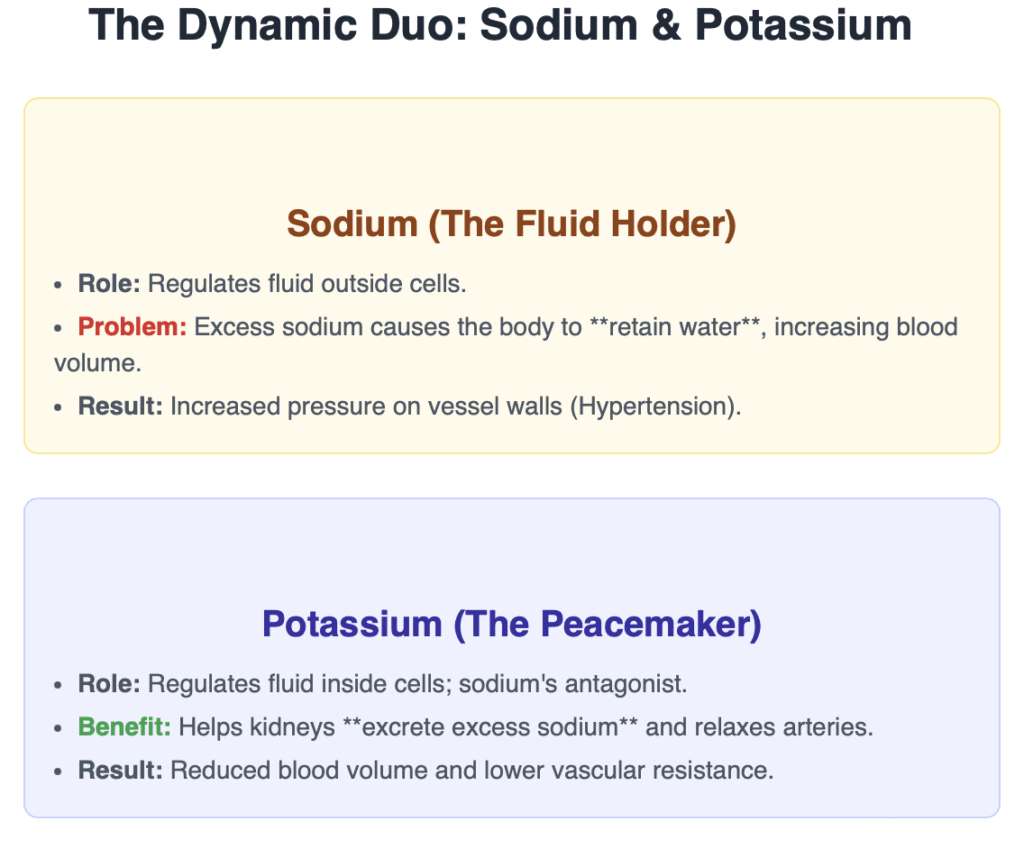
Sodium and potassium are two sides of the same coin when it comes to maintaining cellular function and fluid balance.They are electrolytes, meaning they carry an electric charge and are crucial for numerous bodily processes.
Sodium’s Role (and Overabundance)
Sodium’s primary role is to help regulate fluid balance outside of cells. When we consume too much sodium, our bodies retain more water to dilute it, increasing blood volume. This increased volume puts greater pressure on the walls of our blood vessels, leading to elevated blood pressure. Modern diets, laden with processed foods, fast food, and restaurant meals, are notoriously high in sodium, making overconsumption a widespread issue.
Potassium’s Role: The Peacemaker
Potassium, on the other hand, primarily works inside cells and acts as sodium’s essential counter-balance. Its key functions include:
- Balancing Sodium: Potassium helps the kidneys excrete excess sodium from the body. Think of it as sodium’s personal escort out the door.
- Relaxing Blood Vessels: Perhaps its most crucial role for blood pressure is its ability to directly help relax the walls of blood vessels. When blood vessels are relaxed and dilated, blood can flow more freely, reducing the pressure against their walls. [Image illustrating relaxed vs. constricted blood vessels, showing blood flow differences] This vasodilation effect is a powerful mechanism for lowering blood pressure
- Maintaining Fluid Balance: Potassium is critical for maintaining the proper balance of fluids and electrolytes,which impacts everything from nerve impulses to muscle contractions (including your heart!).
Without sufficient potassium, the body struggles to excrete excess sodium effectively, and blood vessels remain constricted, contributing to hypertension.
🧠 The Research: Potassium Lowers Blood Pressure More Effectively
For years, dietary guidelines focused heavily on sodium restriction. While helpful for some, studies have consistently shown that increasing potassium intake can be an even more potent strategy for lowering blood pressure, especially when combined with a mindful sodium intake.
A meta-analysis published in the British Medical Journal (BMJ) reviewed numerous studies and concluded that:
- Increased potassium intake significantly lowers blood pressure in individuals with hypertension.
- The effect was comparable to, and in some cases, even more pronounced than, the effects of moderate sodium restriction alone.
- Crucially, a higher potassium intake was also associated with a reduced risk of stroke and heart disease.
Another pivotal study found that individuals with the highest potassium intake had significantly lower blood pressure readings compared to those with the lowest intake, even when their sodium intake was similar. This highlights that it’s not just about an absolute amount of sodium, but the ratio of sodium to potassium that truly matters for cardiovascular health.
The average recommended intake for potassium for adults is around 4,700 mg per day, yet most people fall dramatically short of this target.
👀 The Widespread Deficiency: Why Most People Are Severely Potassium-Deficient
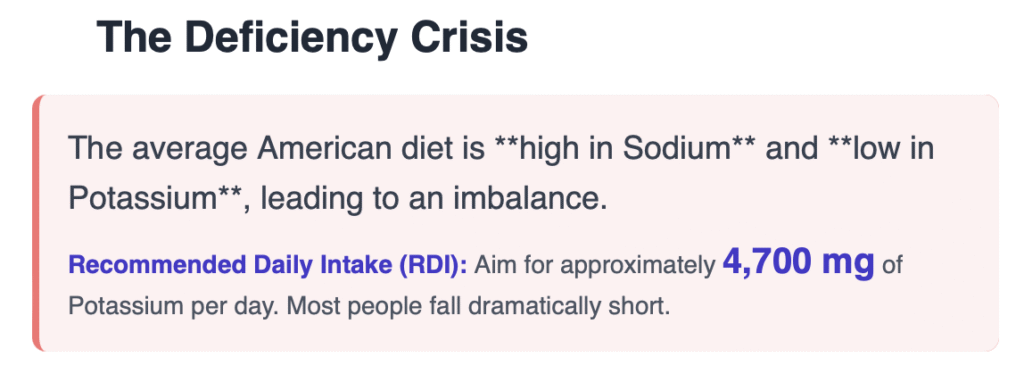
Herein lies the silent crisis: most modern diets are not only excessive in sodium but also woefully deficient in potassium.
Our ancestors, consuming diets rich in whole, unprocessed plant foods, likely had a sodium-to-potassium ratio that favored potassium. Think wild game, nuts, seeds, roots, and an abundance of fruits and vegetables.
Today’s typical Western diet, however, has flipped this ratio on its head:
- Processed Foods: High in sodium, low in potassium.
- Refined Grains: Stripped of many nutrients, including potassium.
- Lack of Whole Foods: Many people simply don’t eat enough fruits, vegetables, and legumes, which are the primary sources of dietary potassium.
[Image showing a plate half-filled with processed foods and half-filled with fruits/vegetables, visually representing the dietary imbalance] The result is a population struggling to maintain a healthy electrolyte balance contributing to the rising rates of hypertension and related cardiovascular diseases.
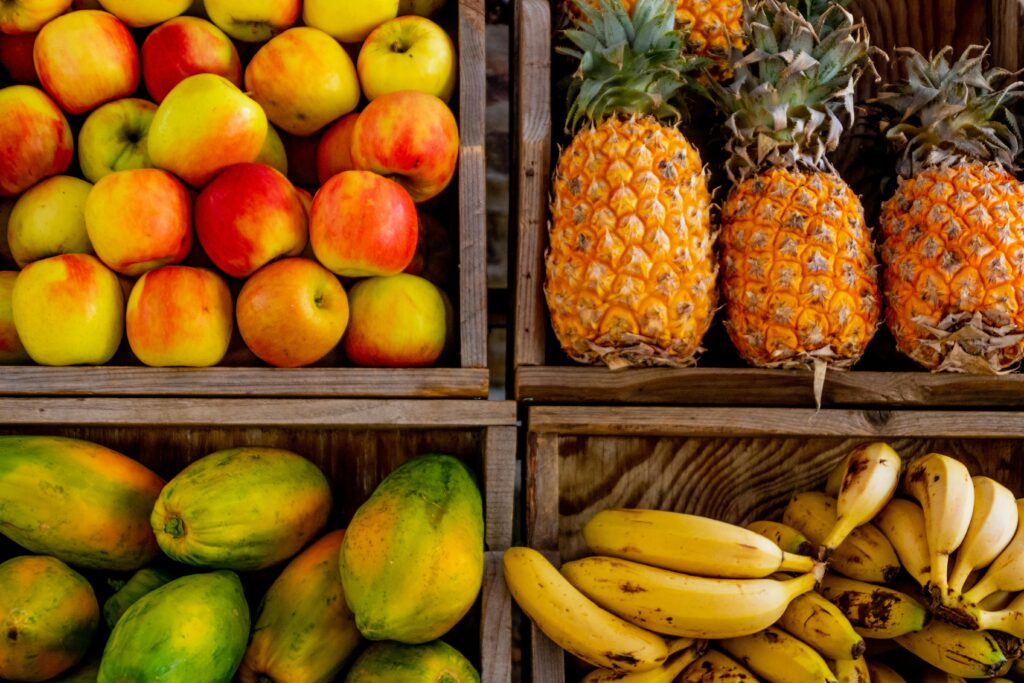
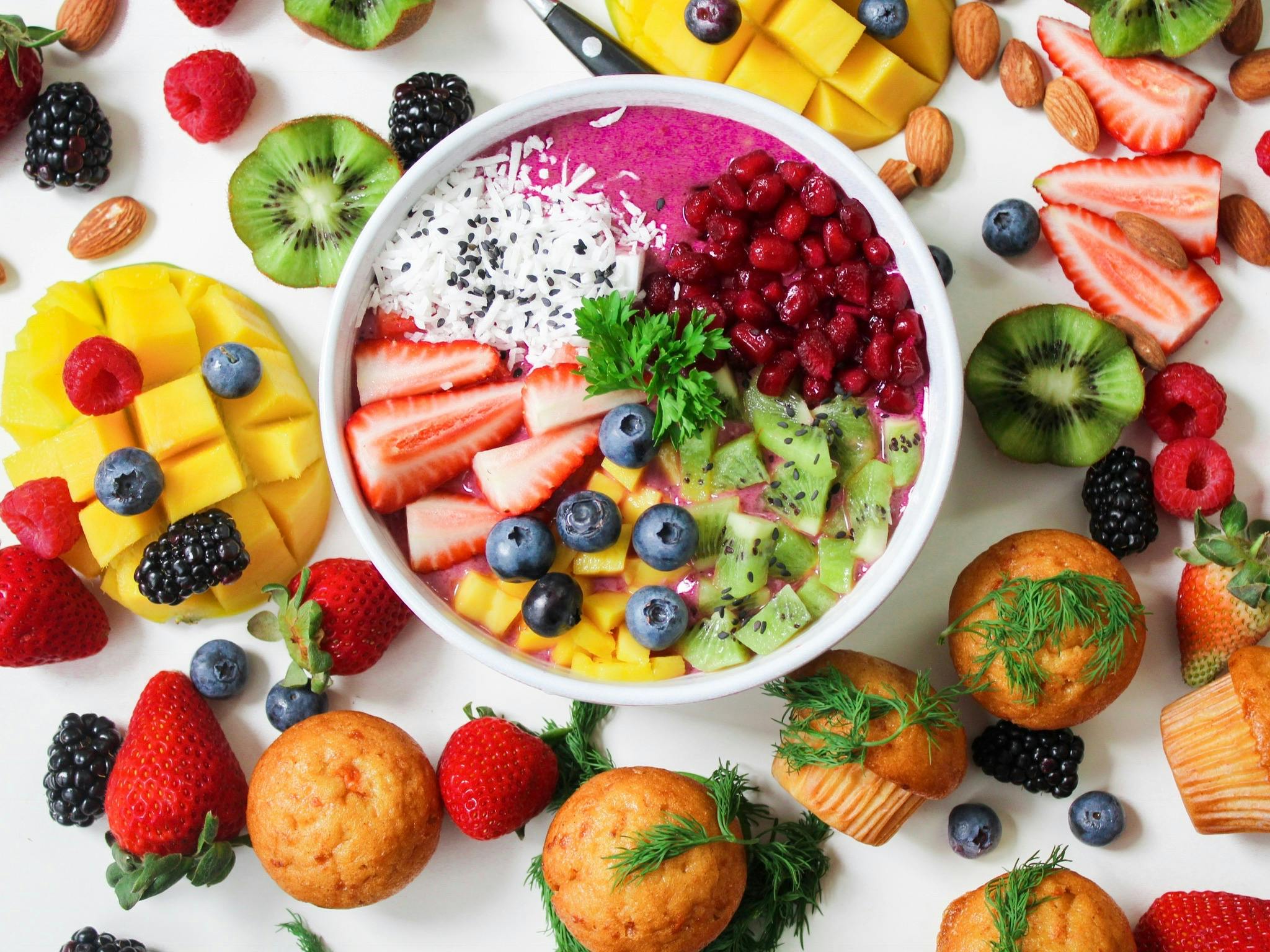
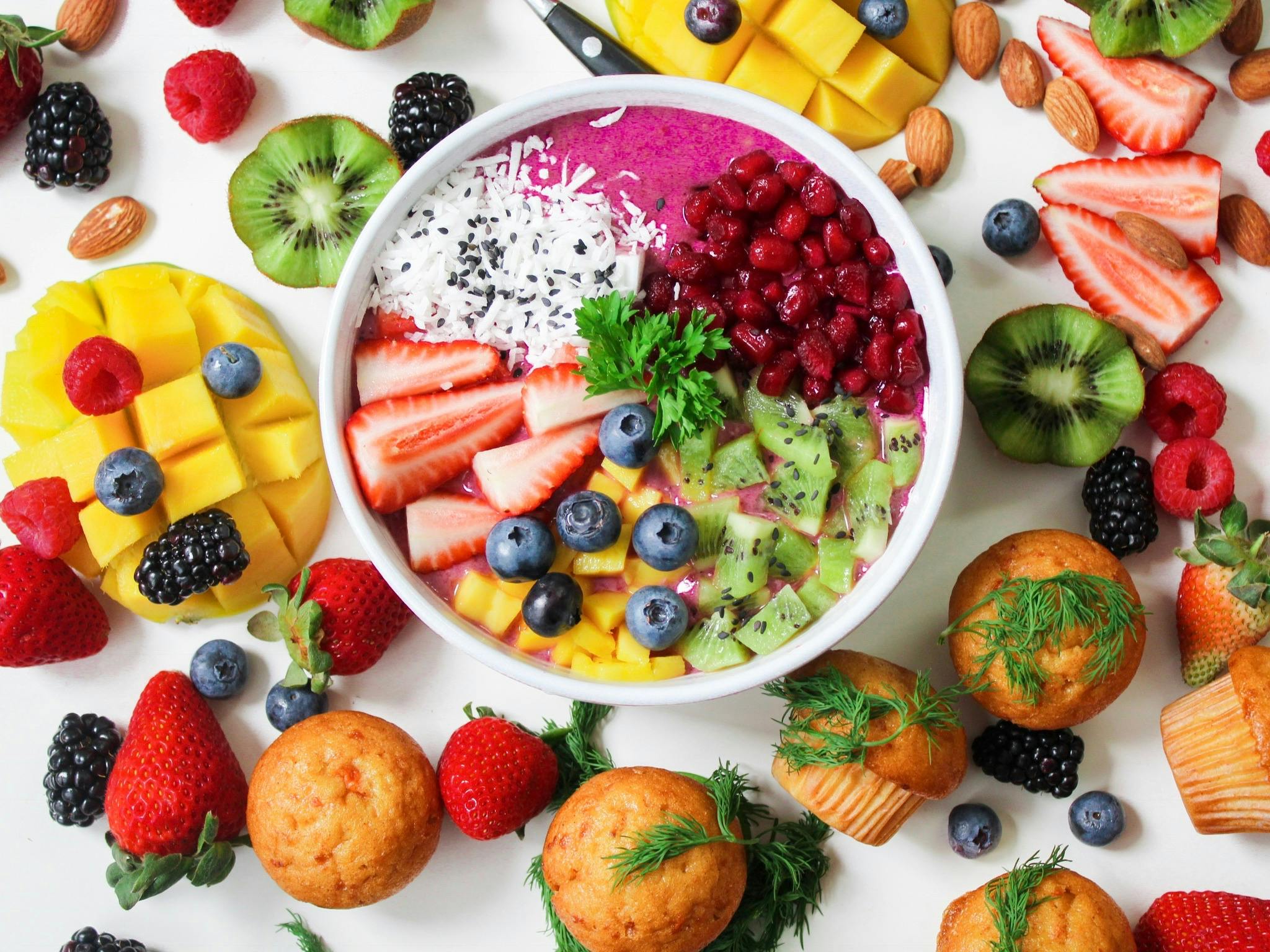
🥗 High-Potassium Foods: Your Pharmacy in the Produce Aisle
The good news is that boosting your potassium intake is delicious and accessible. Nature has generously packed this essential mineral into a wide array of whole, unprocessed foods. Forget supplements (unless medically advised)—the best way to get potassium is through your diet.
Key High-Potassium Foods (and how to incorporate them):
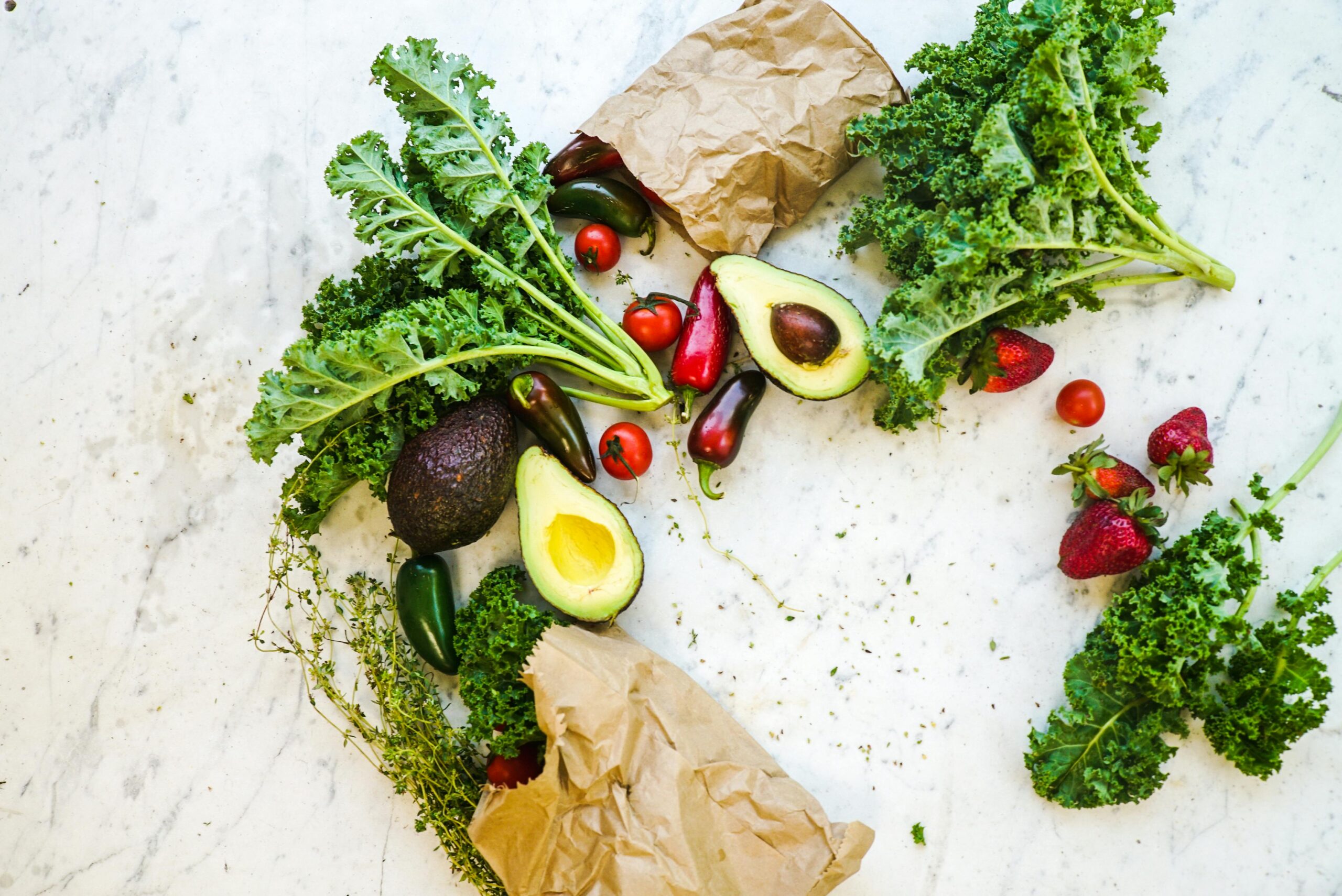
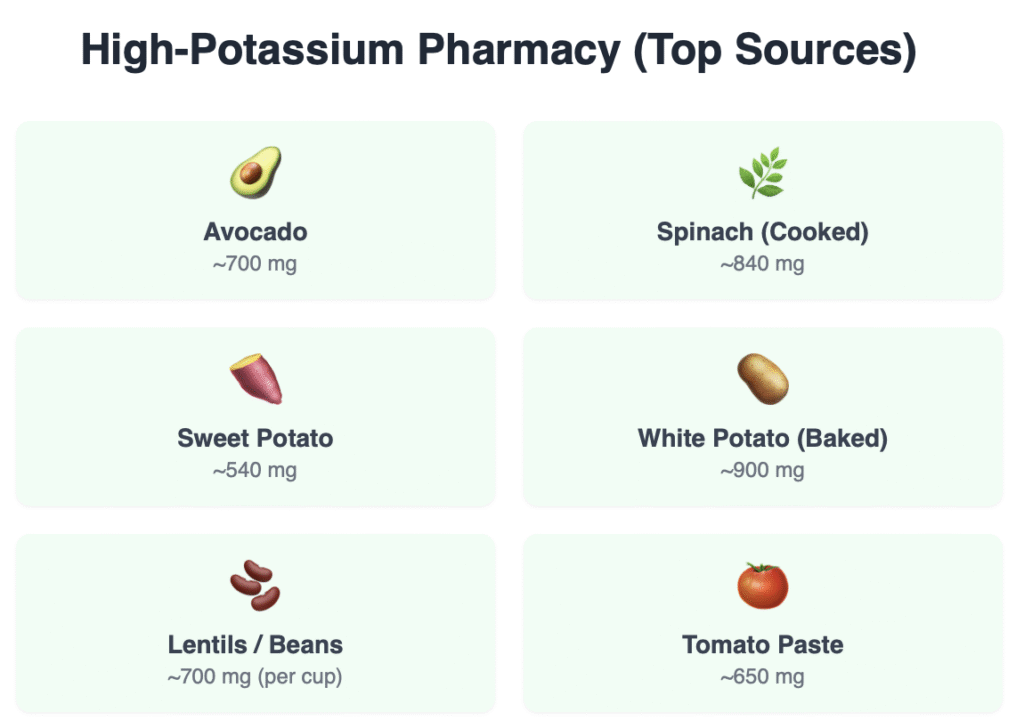
- Avocado: A true potassium powerhouse. One medium avocado contains about 700 mg of potassium. Add it to salads, sandwiches, or make guacamole.
- Spinach (and other Leafy Greens): A cup of cooked spinach packs around 840 mg. Sauté it, add it to smoothies,or use it as a bed for your main course.
- Sweet Potatoes: One medium baked sweet potato provides around 540 mg. A healthier alternative to white potatoes, great roasted or mashed.
- Bananas: While famous for potassium, they’re not the absolute highest. A medium banana offers about 420 mg. A convenient snack or smoothie addition.
- Beans and Legumes: Lentils, black beans, kidney beans, and chickpeas are excellent sources. A cup of cooked lentils has over 700 mg. Add them to soups, stews, salads, or make homemade hummus.
- Tomatoes (and Tomato Products): Fresh tomatoes, tomato paste, and sauces are rich in potassium. Half a cup of tomato paste can have over 650 mg.
- Yogurt (Plain, Greek): A cup of plain yogurt can provide around 380-570 mg. Choose plain to avoid added sugars.
- Potatoes (White): Yes, even white potatoes! A medium baked potato with skin can contain over 900 mg. The key is how they’re prepared – avoid deep-fried versions.
- Dried Apricots: A small serving (1/4 cup) can deliver over 300 mg. Great as a snack or in trail mix.
- Winter Squash (Acorn, Butternut): These seasonal favorites are loaded. A cup of cooked butternut squash has about 580 mg. Roast them, make soups, or mash them.
- Salmon: In addition to healthy omega-3s, salmon is a good source of potassium, with about 400 mg per 3-ounce serving.
Tips for Increasing Potassium:
- “Crowd Out” Sodium: Focus on adding potassium-rich foods rather than obsessively subtracting sodium. As you eat more whole, unprocessed foods, your sodium intake will naturally decrease.
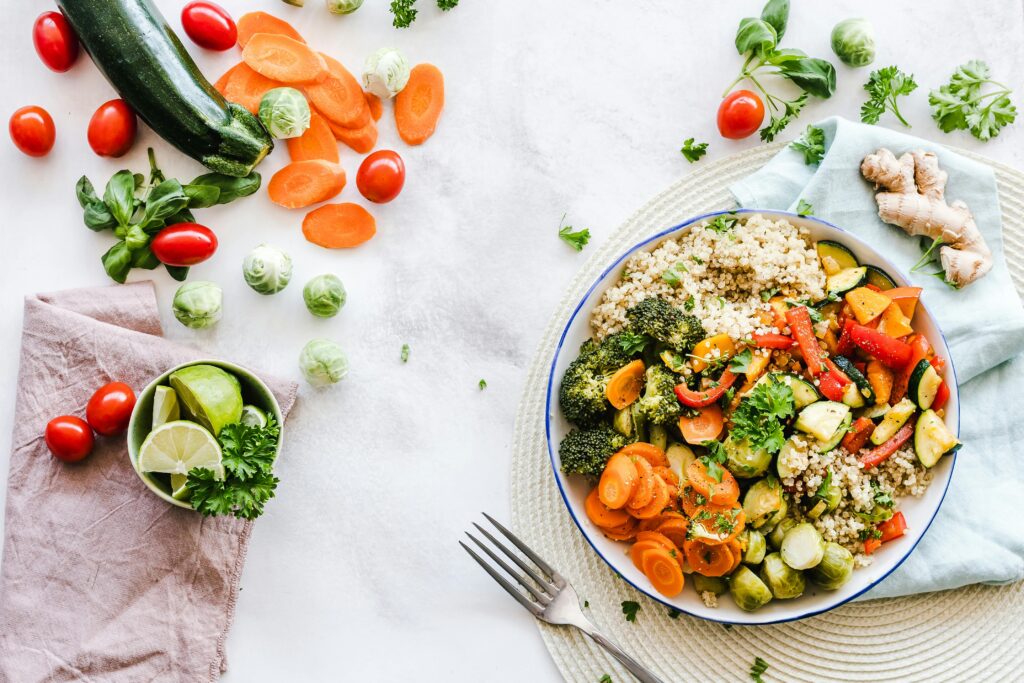
- Prioritize Plants: Make fruits, vegetables, and legumes the stars of your plate. Aim for at least 5-7 servings of diverse produce daily.
- Snack Smart: Swap processed snacks for fruits, vegetable sticks, or a handful of nuts.
- Cook at Home: When you cook from scratch, you have control over both sodium and potassium content.
https://www.youtube.com/watch?v=5HBdaE9IckI
Takeaway
The prevailing narrative around blood pressure has largely fixated on sodium restriction. While sodium management is important, a more holistic and arguably more effective approach acknowledges the vital role of potassium.
It’s not just about “less salt”; it’s fundamentally about achieving a healthy sodium-to-potassium balance. By consciously increasing your intake of potassium-rich whole foods—fruits, vegetables, legumes, and certain lean proteins—you empower your body to:
- More effectively excrete excess sodium.
- Relax your blood vessels, leading to lower blood pressure.
- Reduce your risk of stroke and heart disease.
So, next time you’re thinking about your cardiovascular health, shift your focus from solely restricting salt to enthusiastically embracing the incredible power of potassium. Your arteries (and your taste buds!) will thank you.