
SEO Summary:
- Neuroinflammation, or the “silent fire” in the brain, is a primary driver of memory decline, brain fog, and mood instability.
- Specific herbal teas, notably Rooibos (rich in Aspalathin) and Tulsi (Holy Basil) (containing eugenol and ursolic acid), contain compounds proven to cross the blood-brain barrier and modulate inflammation.
- Most people fail to extract the therapeutic dose because they steep the tea too briefly. These beneficial high-molecular-weight compounds require a steeping time of 10 to 15 minutes.
- Click to learn the precise brewing protocol and dosage required to transform your simple cup of tea into a potent, neuroprotective tonic.
The Calm Infusion: Why Brain Inflammation is the Enemy

If you’ve ever experienced brain fog, that frustrating moment where your thoughts feel sluggish and your memory fails you, you have experienced a sign of neuroinflammation. This is not a formal diagnosis, but a biological reality: your brain’s delicate environment is reacting to stress, diet, or infection by activating its immune cells, the microglia.
In the short term, microglia are heroes—they clean up debris and fight infection. But when they stay activated long-term, they become chronic troublemakers, constantly releasing inflammatory chemicals that damage neurons and disrupt communication pathways. This state—chronic neuroinflammation—is strongly implicated in everything from anxiety and chronic fatigue to long-term memory loss.
The great news is that nature provides compounds capable of calming this internal fire, and they come in the humble form of a cup of herbal tea. Specifically, I want to focus on two of my favorites: Rooibos (the red bush tea from South Africa) and Tulsi (Holy Basil from India).
The Dual Powerhouses
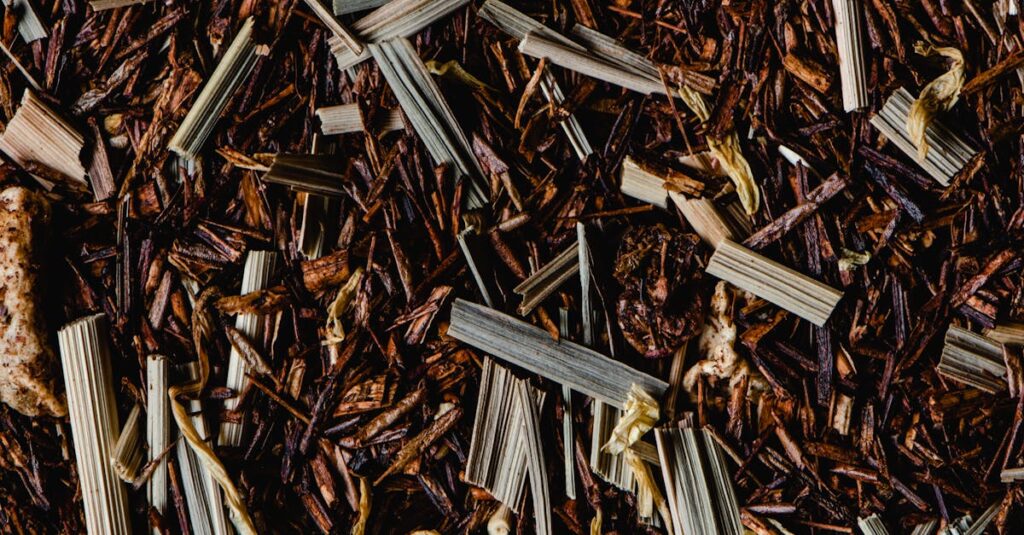
- Rooibos (The Antioxidant Shield): Its primary unique compound is Aspalathin. Unlike many antioxidants that only work in the body, Aspalathin is structurally able to cross the blood-brain barrier (BBB), the highly selective wall that protects the brain. Once inside, it acts as a powerful scavenger of free radicals, directly reducing the oxidative stress that triggers microglial activation.
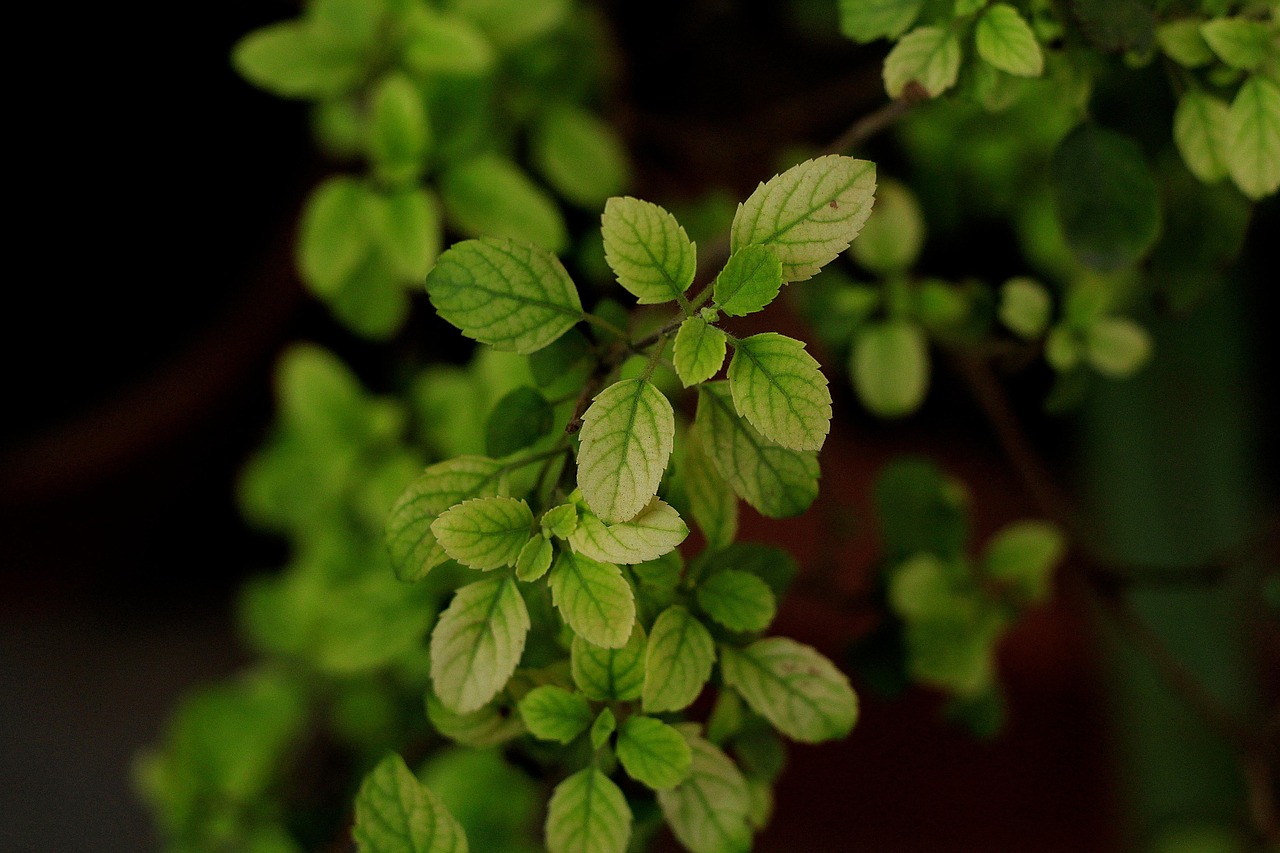
- Tulsi / Holy Basil (The Modulator): This herb is classified as an adaptogen, meaning it helps the body manage stress. It contains compounds like eugenol and ursolic acid that are known to calm the central nervous system. By reducing the overall stress response, Tulsi indirectly reduces stress-related neuroinflammation, helping to stabilize mood and improve sleep quality—both foundational to a calm brain.
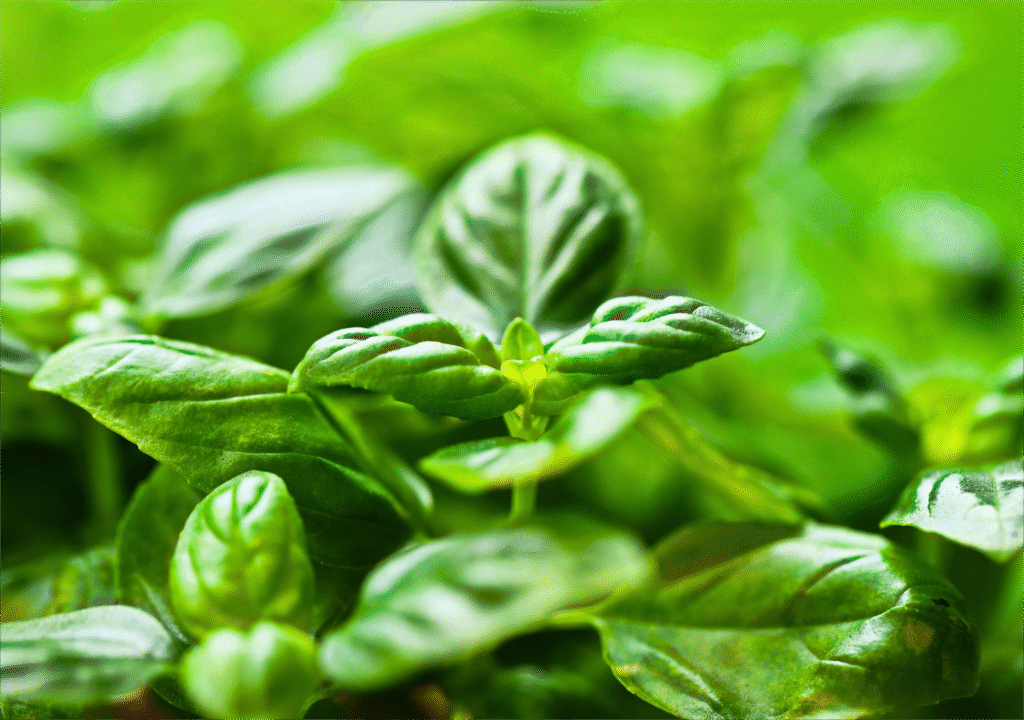
These teas are not simply soothing beverages; they are gentle, neuroprotective tools, provided you use them correctly.
When Your Brain is on Fire: Signs of Neuroinflammation
Because the brain lacks pain receptors, neuroinflammation doesn’t present as a headache or a sharp ache. Instead, it shows up as frustrating changes in function, focus, and emotional regulation.
Common Symptoms of a Neuro-Inflamed State
- Brain Fog and Mental Sluggishness: The feeling that you are wading through mud mentally. Simple tasks take longer, and decision-making is effortful.
- Persistent Memory Lapses: Not just losing your keys, but difficulty learning new information or retrieving recent memories. Inflammation disrupts the neuronal plasticity required for forming memories.
- Chronic Fatigue Unrelated to Sleep: Feeling tired even after a full night’s rest. An inflamed brain requires more energy to function, diverting resources from the body.
- Increased Anxiety and Mood Instability: The inflammatory process can directly interfere with neurotransmitter balance (like serotonin and dopamine), making the brain more susceptible to stress and emotional swings.
- Low Stress Resilience: The inability to bounce back quickly from a stressful event. Your body stays in “fight or flight” because the inflammatory alarm system won’t shut off.
If these symptoms resonate with you, it’s a strong signal that your body’s anti-inflammatory reserves are depleted and the gentle, long-term support provided by teas like Rooibos and Tulsi can be highly beneficial.
The Brewing Betrayal: Missing the Therapeutic Dose
This is the most common and disappointing mistake I see people make with herbal medicine. They buy high-quality tea, steep it for the standard 3 to 5 minutes recommended on the box, and then wonder why they don’t feel the dramatic cognitive benefits.
The Chemistry of Extraction
The issue is one of molecular weight and solubility. When you steep a tea bag for just a few minutes:
- Fast Extraction: You primarily extract the small, water-soluble compounds: flavor, color, and aroma. This gives you a pleasant-tasting cup.
- Slow Extraction: You miss the therapeutic compounds! The critical polyphenols and triterpenes—like Aspalathin in Rooibos and ursolic acid in Tulsi—are heavier, more complex molecules that require time and consistent heat to fully dissolve out of the dried herb and into the water.
When you steep too briefly, you get a lovely, harmless beverage. When you steep long enough (and I mean long), you get a concentrated, functional decoction—a therapeutic dose that has enough of the active compound to cross the blood-brain barrier and quiet the microglia. This requires a much higher herb-to-water ratio and significantly more time than a standard cup of breakfast tea.
The Perfect Protocol: Achieving the Therapeutic Tea
To transform your herbal tea from a pleasant drink into a neuroprotective tonic, you must treat it like medicine. The goal is to maximize the extraction of the beneficial compounds.
The Healthcare Advocate’s Neuro-Calm Tea Protocol
| Step | Action | Rationale |
| Dosing (Ratio) | Use 2 teaspoons of loose leaf herb per 8 ounces of boiling water. | Higher herb ratio ensures sufficient therapeutic compounds are present. |
| Water Temp | Bring water to a rolling boil (212°F / 100°C). | High heat is required to initiate the breakdown and dissolution of the complex compounds. |
| Steeping Time | Cover and steep for a minimum of 10 to 15 minutes. | This is the crucial step. It allows the beneficial polyphenols to fully extract into the water. |
| Consumption | Drink 2 to 3 cups daily, ideally not too close to bedtime if sensitive to fluid intake. | Consistent dosing maintains the active compounds in your system for long-term neuroprotection. |
The Tool Tip: Always cover your mug or use a teapot with a lid while steeping. Keeping the steam (and heat) trapped is vital to maintain the high temperature required for efficient extraction of the medicinal compounds.
Why the Dual Approach?
I often recommend rotating or blending Rooibos and Tulsi because they offer complementary benefits:
- Rooibos is purely a direct antioxidant, sweeping up free radicals inside the brain.
- Tulsi is an adaptogen, calming the hormonal system (reducing cortisol) that fuels inflammation indirectly.
Using both ensures you are addressing both the cause (stress/cortisol) and the effect (oxidative damage/neuroinflammation).
Beyond the Teacup: Lifestyle for a Calmer Brain
While these teas are powerful, they must be supported by a lifestyle that minimizes the daily flood of inflammatory triggers. You cannot out-steep chronic sleep deprivation or a high-sugar diet.
Foundational Pillars for Quieting Neuroinflammation
- Sleep Quality: Sleep is when the brain’s glymphatic system (its waste removal system) is most active. It literally flushes inflammatory debris. Prioritize 7-9 hours of consistent, high-quality sleep.
- Gut Health: The gut-brain axis is paramount. Inflammation in the gut travels via the vagus nerve and bloodstream to the brain. Focus on a diet rich in fiber, fermented foods, and diverse plant matter to keep your gut ecosystem calm.
- Blood Sugar Balance: High blood sugar is a powerful inflammatory trigger. Chronic sugar spikes damage blood vessels and activate microglia. Use the teas as a replacement for high-sugar drinks and desserts.
- Movement: Regular movement increases blood flow to the brain, delivering oxygen and nutrients while clearing out inflammatory byproducts. Even 30 minutes of brisk walking is highly neuroprotective.
By addressing these core areas, your daily therapeutic tea becomes a powerful piece of a larger, coherent neuro-calm strategy.
My Personal Advice as a Health Advocate
My own journey with neuroinflammation peaked during years of high stress and poor sleep. I noticed my memory was failing, and I was prone to “snapping” under minor pressure. When I began studying the power of simple, long-steeped herbal infusions, it became my greatest tool for recovery.
I switched from my morning coffee (which often fueled anxiety) to a long-steeped cup of Tulsi. I keep a dedicated teapot and steep the leaves for the full 15 minutes while I get ready for the day. The mental shift was remarkable—it wasn’t a sudden jolt of energy, but a calm, sustained clarity.
I also found that for people struggling with high-sugar cravings, the subtle sweetness of Rooibos is a perfect replacement. It satisfies that desire for warmth and comfort without the blood sugar spike that fuels inflammation. I encourage you to see the 15-minute steeping time not as an inconvenience, but as an essential daily ritual of self-care. It’s time dedicated to ensuring the proper function of your most valuable organ.
Myths vs. Facts: Tea Misconceptions
Herbal teas are often misunderstood, especially regarding their potency and how they compare to traditional black or green tea.
| Myth | Fact |
| Myth: All herbal teas are equally calming and medicinal. | Fact: Only certain herbs, like Tulsi (adaptogenic) and Rooibos (high in specific CNS-active antioxidants), have documented neuro-modulating effects. |
| Myth: Green and Black tea are better because of the caffeine. | Fact: Green and Black teas are fantastic antioxidants, but the caffeine can be counterproductive for highly sensitive or anxious individuals. Rooibos and Tulsi are naturally caffeine-free. |
| Myth: Adding honey or sugar makes the tea better for you. | Fact: High sugar intake is a primary driver of inflammation. Adding sugar counteracts the anti-inflammatory benefit. Try stevia or cinnamon for sweetness, or embrace the natural earthiness of the herbs. |
| Myth: Teabags are as good as loose leaf. | Fact: Loose leaf allows the herbs to fully expand, maximizing the surface area and efficiency of the medicinal compound extraction. Teabags often contain smaller, dust-like particles that don’t steep as effectively. |
FAQs (Frequently Asked Questions)
- Are Rooibos and Tulsi naturally caffeine-free?Yes, both Rooibos and Tulsi are naturally caffeine-free and are perfect for drinking throughout the day, including in the evening, without affecting sleep quality.
- Can I brew them together?Absolutely. They blend beautifully and offer synergistic benefits. You can steep 1 teaspoon of each for the full 15 minutes.
- Does the temperature matter after steeping?No. Once the compounds are fully extracted, the therapeutic benefit remains whether you drink the tea hot or iced. The key is using boiling water for the initial 15 minutes of steeping.
- What about adding milk?Adding dairy or non-dairy milk is fine, though some studies suggest that dairy proteins can bind to antioxidants, potentially reducing absorption. For maximum benefit, enjoy the tea black.
- Where should I buy the herbs?Look for high-quality, organic loose-leaf herbs from reputable suppliers. Since you are consuming the leaves for medicinal benefit, quality control is more important than with basic flavor teas.
Conclusion & A Final Word of Encouragement
The battle against neuroinflammation is not won with a single supplement, but with daily, intentional habits. The simple act of brewing a cup of Rooibos or Tulsi correctly is one of the most accessible and effective tools you can employ.
By committing to that 10- to 15-minute steep time, you are ensuring that potent neuroprotective compounds—like Aspalathin and ursolic acid—reach your brain to quiet the overactive microglia. This is a powerful investment in your memory, your mood, and your overall cognitive longevity.
Make the commitment today. Transform your passive tea break into an active, therapeutic ritual. Your mind deserves the calm!
Disclaimer: I am a health advocate and writer, not a medical doctor. The information in this article is for informational purposes only and is not a substitute for professional medical advice, diagnosis, or treatment. Always seek the advice of your physician, especially if you are taking medications for mood or neurological conditions.