


SEO Summary:
- Acute, therapeutic heat stress from a hot bath rapidly stimulates the inner lining of the blood vessels (the endothelium), prompting the release of Nitric Oxide (NO).
- Nitric Oxide is a potent vasodilator that relaxes arteries, improving blood flow and measurably lowering blood pressure, mimicking the cardiovascular benefits of light-to-moderate exercise.
- The optimal heart-health benefit is achieved through a precise routine: typically 15–20 minutes in water maintained at 104°F to 106°F (40°C–41°C).
- Click to learn the exact protocol and crucial safety guidelines for using heat as a powerful, non-pharmacological tool for vascular longevity.
The Ancient Secret to a Modern Heart: Harnessing Heat Stress
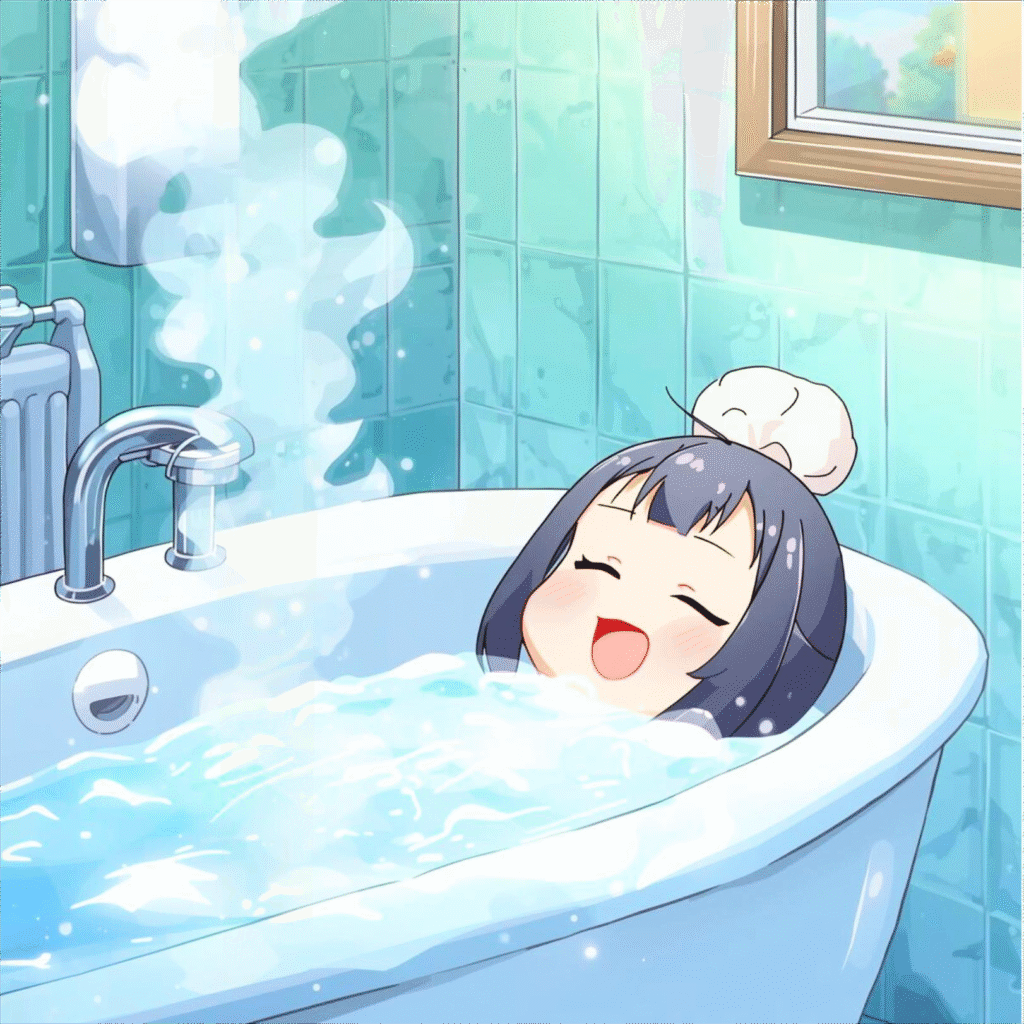
For centuries, cultures worldwide have used warm water as a source of healing and restoration. What they instinctively understood, modern science is now confirming: heat is medicine. Specifically, acute, controlled heat stress from a hot bath can be one of the most passive, yet profound, ways to boost your cardiovascular health.
When I talk about heart health, most people immediately think of sweating through a difficult workout. And while exercise remains foundational, research shows that immersion in hot water can trigger many of the same beneficial biological responses as physical exertion, particularly when it comes to vascular function.
The magic lies in the immediate and dramatic effect heat has on your blood vessels. As your body temperature rises (a process called passive heating), your internal systems kick into overdrive, desperately trying to cool your core. This effort involves two key, heart-healthy mechanisms:
- Nitric Oxide (NO) Release: This is the most critical component. Nitric Oxide is a simple gaseous molecule that your endothelium (the delicate inner lining of your arteries) produces. It is a powerful vasodilator, meaning it forces the walls of your blood vessels to relax and widen, dramatically improving blood flow and immediately lowering the force against the artery walls (blood pressure).
- Heat Shock Proteins (HSPs): These molecules are released when cells are exposed to stressors like heat. HSPs act as molecular chaperones, repairing damaged proteins and protecting cells from oxidative stress. This mechanism is central to anti-aging and longevity research, and hot baths are a fantastic way to activate it.
By taking a hot bath, you are giving your cardiovascular system a gentle, necessary workout—a form of hormesis—that directly addresses vascular stiffness and improves the function of your endothelium.
The Damage Heat Stress is Healing: Why Your Arteries Need Relaxation
Our modern diet, sedentary lifestyle, and chronic stress lead to a condition called endothelial dysfunction. Essentially, the smooth muscle lining of your arteries becomes stiff, lazy, and less responsive to signals that tell it to relax and widen. This stiffness is a primary driver of high blood pressure and eventual atherosclerotic plaque formation.
The Hot Bath vs. Exercise Comparison
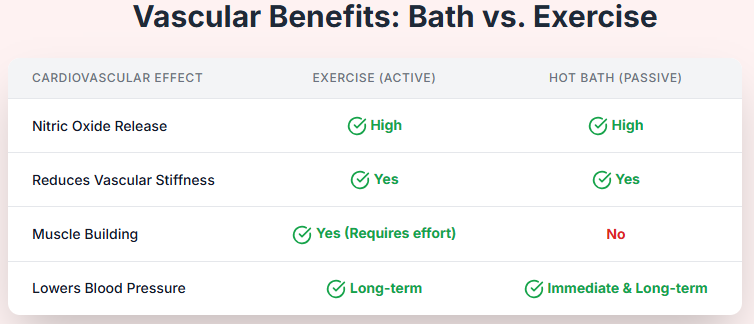
I want to be clear: a hot bath is not a substitute for cardiovascular exercise, which provides muscle and metabolic benefits that heat cannot. However, for vascular health, the comparison is powerful.
| Cardiovascular Effect | Exercise (Active) | Hot Bath (Passive) | Similarity |
| Nitric Oxide Release | Yes (Via blood shear stress) | Yes (Via passive heat stress) | High |
| Vascular Stiffness | Reduces | Reduces | High |
| Blood Pressure | Lowers (Long-term) | Lowers (Immediate & Long-term) | High |
| Muscle Building | Yes (Requires effort) | No | Low |
| Metabolic Demand | High (Burns calories rapidly) | Moderate (Elevated heart rate) | Medium |
The bottom line is that while exercise demands muscle effort to raise your heart rate, a hot bath raises your core temperature, forcing your heart rate up and causing your blood vessels to dilate—providing a profound training effect on your arteries that requires no physical effort. This makes it an invaluable tool for those recovering from injury or who have mobility limitations.
Not All Heat Is Equal: Finding the Therapeutic Zone
Simply “warm” water won’t trigger the necessary stress response. To activate the Nitric Oxide release and the heat shock proteins, you need to raise your core body temperature by about 1 to 2 degrees Celsius. This requires a precise combination of temperature and duration.
The Therapeutic Zone: Key Factors
- Temperature (The NO Trigger): The water needs to be hot enough to feel almost uncomfortable, but not painful. The ideal temperature range is 104°F to 106°F (40°C–41°C). This is significantly hotter than a typical warm bath but below scalding. Use a simple bath thermometer to measure accurately.
- Duration (The HSP Trigger): You need to stay immersed long enough for your core temperature to rise. This typically takes 15 to 20 minutes for the heat stress to fully engage the cardiovascular system and release those vital heat shock proteins. Shorter durations are relaxing but may not provide the deeper systemic benefits.
- Immersion Level: To maximize the effect, your body should be immersed up to your shoulders or neck, if comfortable. The greater the skin surface area exposed to the heat, the faster the core temperature rises.
When you hit this therapeutic zone, your heart rate can climb by 20–30 beats per minute, providing a genuine low-intensity cardiovascular challenge. You should feel comfortably warm and begin to sweat lightly.
The Optimal Hot Bath Protocol for Vascular Health
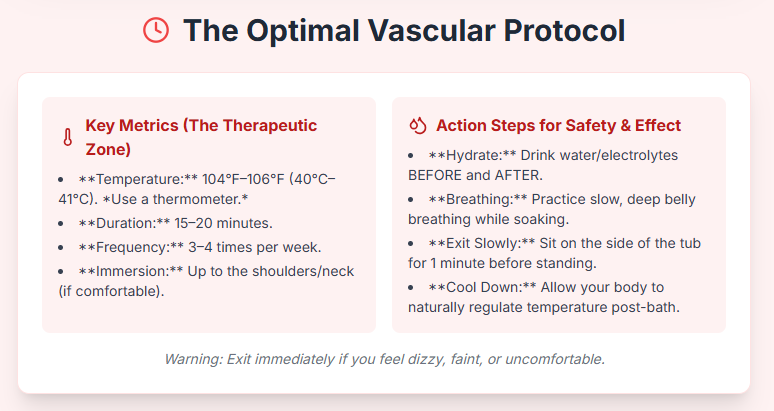
Consistency is key to leveraging this technique. I recommend integrating this protocol 3 to 4 times per week, ideally in the evening to maximize the subsequent relaxation benefits.
The Healthcare Advocate’s Hot Bath Protocol Checklist
- Pre-Bath Hydration: Drink a full glass of water or an electrolyte drink. You will sweat significantly, and dehydration can raise your heart rate and cause dizziness.
- Temperature Set: Confirm the water temperature is between 104°F and 106°F. Never guess this; use a thermometer!
- Immersion Time: Immerse your body to your neck (if comfortable) and set a timer for 20 minutes. Focus on slow, deep belly breathing to manage the heat.
- The Post-Bath Cool Down: When the timer ends, exit slowly. Your blood pressure is temporarily low due to vasodilation. Sit on the side of the tub for one minute, then lie down on a couch or bed. Do not rush to cool off. Allow your body to naturally regulate its temperature. This prolongs the beneficial nitric oxide effect.
- Post-Bath Hydration: Drink another glass of water or electrolyte solution.
Warning: The goal is not to feel dizzy, faint, or sick. If you feel any of those symptoms, exit the bath immediately and carefully.
Enhancing the Experience
To make the therapeutic bath a sustainable routine, I often suggest adding elements that boost relaxation and recovery:
- Epsom Salts: Magnesium is readily absorbed through the skin, aiding in muscle relaxation and recovery, which complements the vascular relaxation provided by the heat.
- Mindfulness: Use the 20 minutes as a forced digital detox. Listen to a guided meditation or simply focus on the sound of the water and your breath.
Safety First: When to Skip the Hot Soak
The hot bath protocol is generally safe for most healthy adults, but because it actively stresses the cardiovascular system, certain conditions require strict caution or complete avoidance.
Critical Safety Contraindications
- Known Cardiovascular Issues: If you have severe heart failure, unstable angina, or have recently had a heart attack or stroke, the sudden, sustained elevation in heart rate and blood flow can be dangerous. Consult your cardiologist first.
- Pregnancy: Raising the core body temperature during pregnancy, especially in the first trimester, is a known risk factor and should be avoided.
- Low Blood Pressure (Hypotension): Since the bath’s primary effect is vasodilation (lowering blood pressure), if your baseline pressure is already low, you risk orthostatic hypotension (dizziness upon standing) or fainting when you exit the tub.
- Fever or Illness: If you are actively running a fever, do not add more external heat. This can dangerously increase your core temperature and stress your system.
- Medications: Certain medications (especially for blood pressure or diuretics) can be potentiated by the heat, leading to rapid drops in pressure. Discuss this with your pharmacist or doctor.
My Firm Rule: If you feel even slightly uncomfortable, dizzy, or notice your heart racing excessively, end the session immediately. Always have a glass of water nearby and ensure someone is aware you are soaking, particularly when starting this routine.
My Personal Experience as a Health Advocate
I started incorporating the hot bath protocol as a recovery tool after particularly stressful or intense weeks. What surprised me most wasn’t the measurable drop in my blood pressure (which was noticeable over time), but the profound quality of sleep that followed.
The body works hard to cool itself down after the heat exposure. This natural cooling process is the exact signal the brain needs to initiate deep, restorative sleep cycles. For me, a 20-minute soak at 105°F, followed by lying down in a cool room, became the most reliable way to reset my nervous system.
I noticed that the heat, combined with deep breathing, completely eliminated the muscle soreness I typically felt the day after a hard resistance workout. I realized I was not only helping my heart but dramatically speeding up my recovery through the power of those heat shock proteins. This passive habit is now one of my most recommended “biohacks” because it is accessible, affordable, and requires zero extra mental energy.
Myths vs. Facts: Busting Hot Bath Misconceptions
Despite the ancient origins of this practice, there are many modern misconceptions surrounding the hot bath protocol.
| Myth | Fact |
| Myth: Hot baths are a substitute for cardio. | Fact: They mimic vascular benefits (vasodilation, NO release) but provide minimal metabolic training and no muscle/bone benefits. They complement, not replace, exercise. |
| Myth: The hotter the water, the better the result. | Fact: There is a narrow therapeutic zone (104–106°F). Too hot can be dangerous, causing severe dehydration and increasing the risk of fainting without providing additional HSP benefits. |
| Myth: Hot baths are dehydrating and bad for your skin. | Fact: They cause sweating, so hydration is key. However, the vascular benefits outweigh this. Adding essential oils or mild moisturizing salts can mitigate skin dryness. |
| Myth: You should stay in until the water is cold. | Fact: The therapeutic benefit peaks around 20 minutes when the core temperature is elevated. Staying too long risks significant core temperature drop and unnecessary stress on the system. |
FAQs (Frequently Asked Questions)
- Is a sauna or hot tub better than a bath?All are forms of passive heating. A sauna provides dry heat and is highly effective (often triggering a greater HSP response). A hot tub provides similar benefits to a bath, but requires careful temperature control to avoid overheating. Use what you have access to, prioritizing the 104°F to 106°F range.
- What if I don’t have a bathtub?You can use a seated foot bath (up to your shins) maintained at 106°F to 110°F. While less systemic, it still promotes significant vasodilation in the lower limbs, which can trigger a measurable NO response and benefit blood flow.
- Should I drink cold water while in the bath?Yes, drinking cool water while soaking helps manage the heat and prolongs the session comfortably, ensuring you can hit the critical 15–20 minute duration without overheating.
- Can children safely participate in this?The therapeutic cold/heat stress protocols are generally not recommended for young children due to their faster rise in core temperature and inability to articulate discomfort. Keep their bathwater temperature mild and supervised.
- How soon will I see benefits?You will see an immediate drop in blood pressure and improvement in arterial stiffness immediately after the soak. Long-term benefits (consistent lowering of baseline pressure) typically occur after 3–4 weeks of consistent use (3–4 times per week).
Conclusion & A Final Word of Encouragement
The hot bath protocol is powerful proof that medicine doesn’t always come in a pill; sometimes, it comes in a perfectly calibrated dose of heat. By engaging in this simple, restorative act, you are harnessing the release of Nitric Oxide and activating protective Heat Shock Proteins—effectively giving your cardiovascular system a gentle, profound workout.
This is a longevity hack disguised as relaxation. By controlling the temperature and duration precisely, you are actively healing endothelial dysfunction, reducing arterial stiffness, and lowering the demand on your heart. It’s a perfect addition to a heart-healthy lifestyle, offering relaxation and resilience in one beautiful soak.
Go measure your water temperature, set your timer, and let the heat do the work. Your heart will thank you for the spa treatment!
Disclaimer: I am a health advocate and writer, not a medical doctor. The information in this article is for informational purposes only and is not a substitute for professional medical advice, diagnosis, or treatment. Always seek the advice of your physician, particularly if you have pre-existing heart conditions or high blood pressure, before initiating a new heat therapy routine.