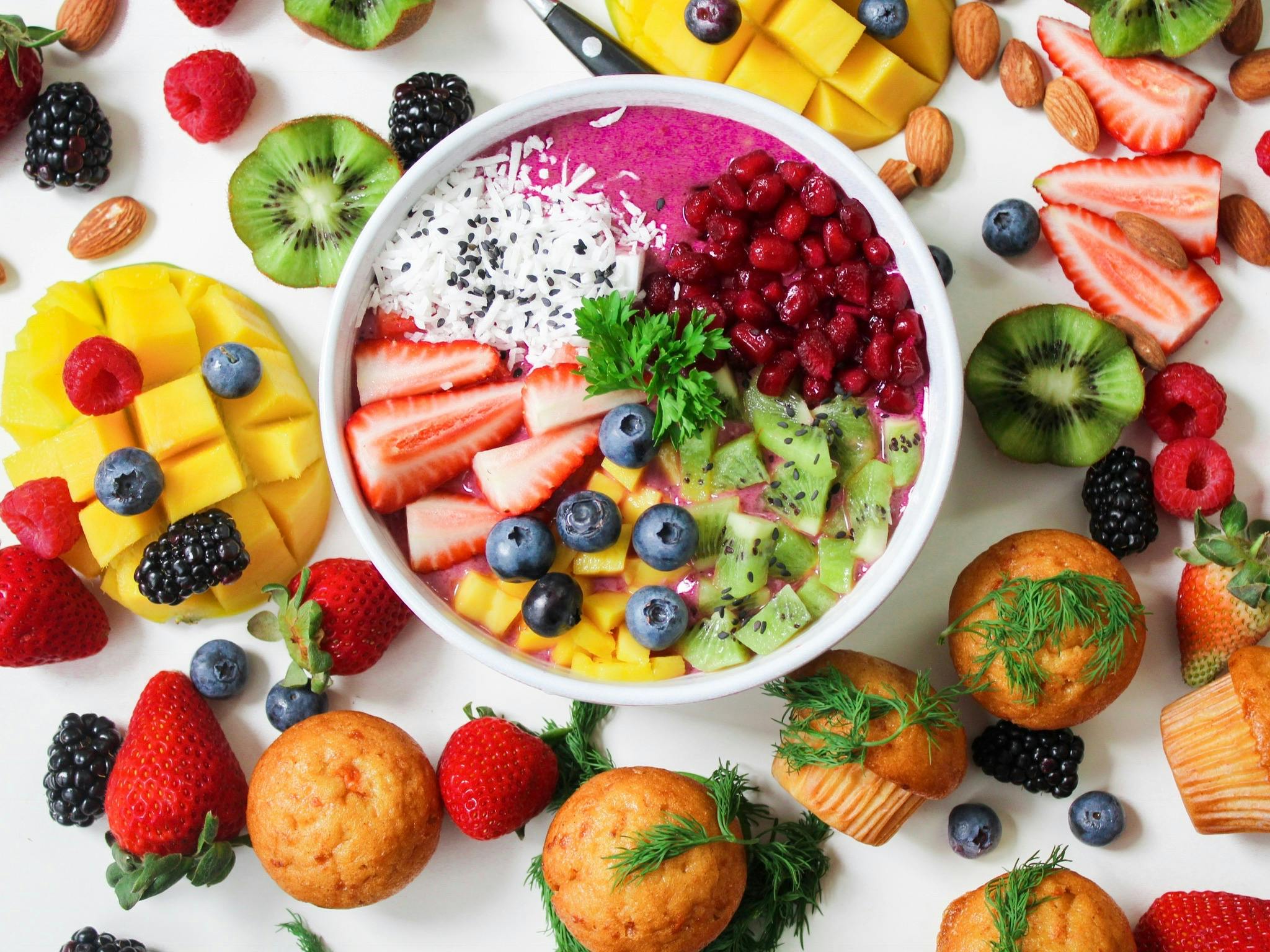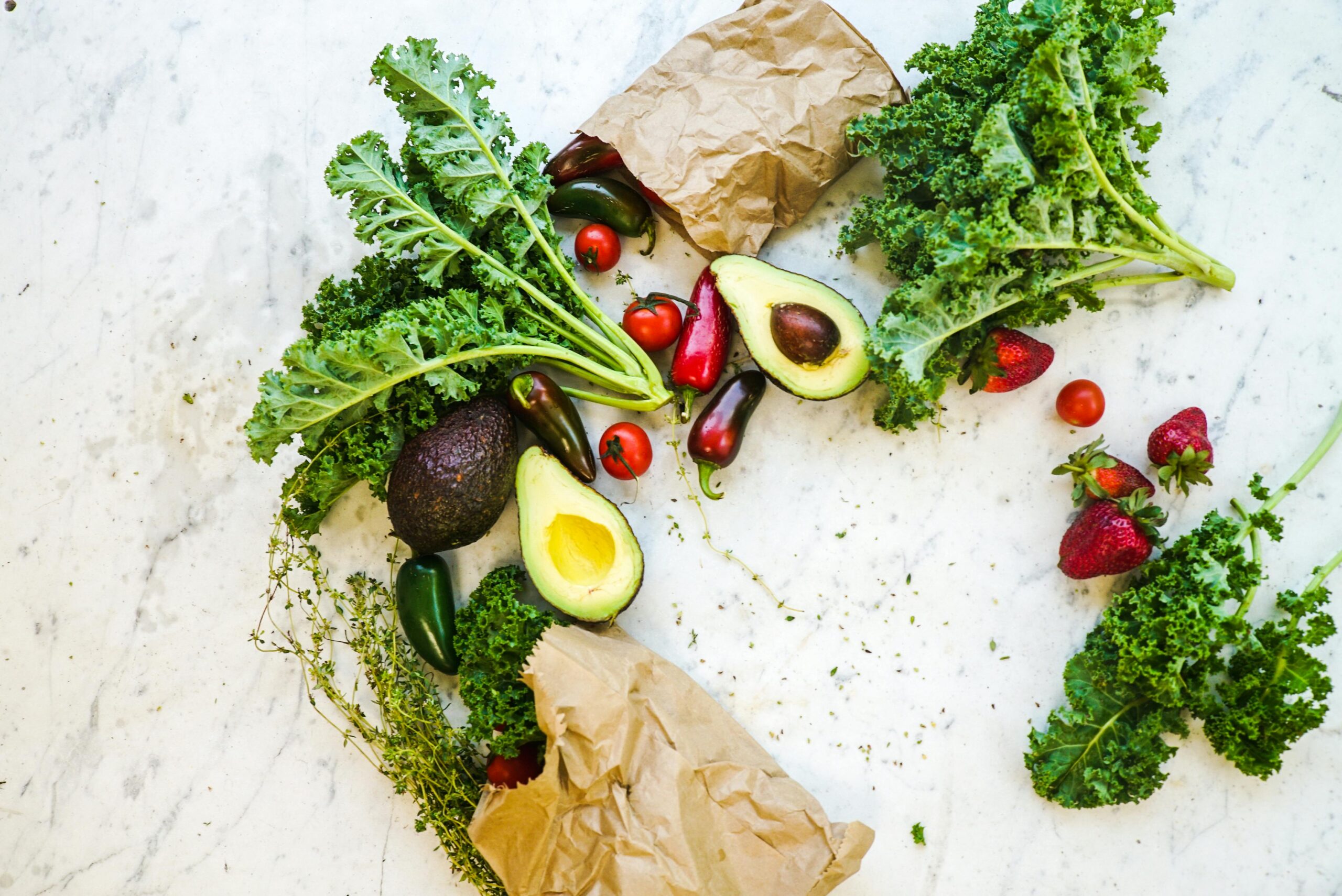

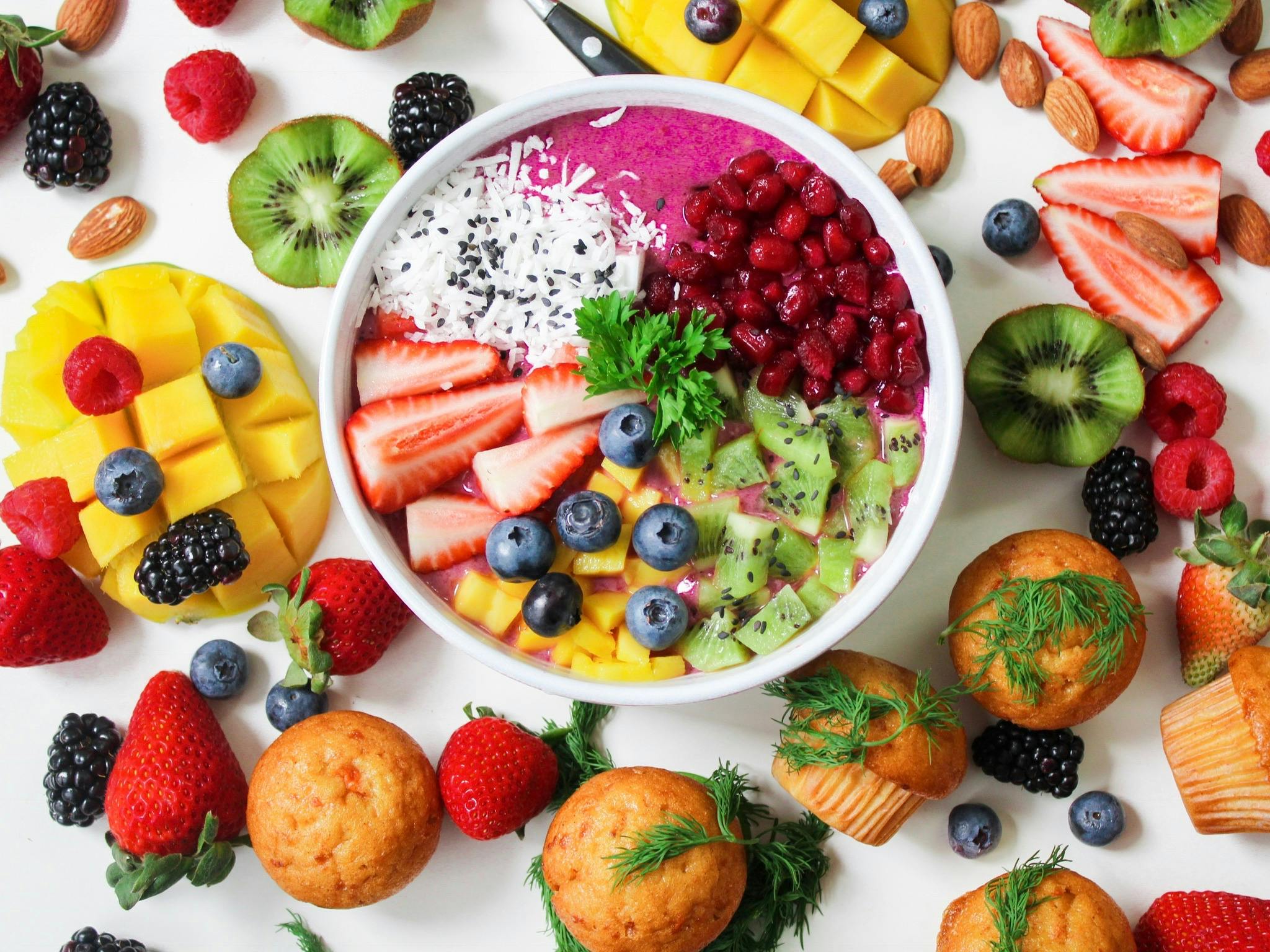
💡 Dr. Greger’s “Daily Dozen”: beans, berries, greens, nuts, seeds, spices, movement — proven to extend life and prevent disease.
🧠 Want a prescription for longevity? It’s a grocery list.
📚 Source:How Not to Die; Dr. Greger’s Daily Dozen Checklist (NutritionFacts.org).
- The Prescription Is a Grocery List: The most powerful, life-extending “medicines” aren’t in a pharmacy. They are in the produce aisle, the bulk bins, and your spice rack.
- The Daily Dozen: This list is based on the “Daily Dozen” framework, a checklist of foods and habits scientifically shown to prevent, halt, and even reverse the most common chronic diseases.
- Add, Don’t Subtract: The goal isn’t deprivation. It’s about flooding your body with so many powerful, healing foods that there’s simply less room—and less desire—for the foods that harm you.
Your Prescription for Longevity? It’s a Grocery List.
If you came to me and asked for the single most powerful prescription I could give you for a longer, healthier, and more vibrant life, you might be surprised by what I’d hand you.
It wouldn’t be a slip of paper for the pharmacy. It would be a grocery list.
For decades, we’ve been led to believe that our health destiny is a matter of luck and genetics. We’ve been taught that chronic diseases like heart disease, type 2 diabetes, and certain cancers are just an unfortunate, but normal, part of aging.
I am here to tell you that is one of the biggest lies we’ve ever been told.
Our bodies are not designed to fail. They are designed to heal. We have an incredible, innate power to regenerate, fight off invaders, and repair damage. The problem is, we’ve stopped giving our bodies the right instructions. We’re feeding them a manual for inflammation, disease, and decay.
The “12 Foods” on this list are the new instruction manual.
This isn’t guesswork. It’s based on a mountain of scientific evidence, much of it compiled by Dr. Michael Greger of NutritionFacts.org in his “Daily Dozen.” These aren’t “superfoods” from a faraway land. They are simple, affordable, everyday foods that, when eaten consistently, turn on your body’s “healing” genes and turn off the “disease” genes.
They are, quite literally, the foods that keep you alive.
The “Longevity 12”: Foods That Fight for You
This isn’t a diet. A diet is something you go “on” and, inevitably, “off.” This is a new way of seeing your plate. This is your daily health-defense strategy.
Group 1: The Plant-Protein Powerhouses
1. Beans & Legumes
If I had to pick one food group to put at the top of the “keep you alive” list, it would be legumes. This includes all beans (black, pinto, kidney), chickpeas, and lentils. Why are they so powerful?
- Fiber: They are loaded with soluble fiber, which is the preferred food for your “good” gut bacteria. When your gut bacteria are happy, they produce compounds that cool inflammation all over your body.
- Protein: They are a clean, fiber-packed source of protein, perfect for building and repairing.
- Blood Sugar Control: The fiber forms a gel in your gut that slows down the absorption of sugar, making them a superstar for preventing and managing type 2 diabetes.
How I get them in: A cup of lentil soup, a scoop of hummus on a sandwich, or black beans mixed in with salsa.
2. Whole Grains
“Carbs” are not the enemy. Refined carbs (white bread, white rice, pastries) are. Intact whole grains are life-giving. This means quinoa, oats, brown rice, farro, and barley.
- Sustained Energy: That fiber sheath hasn’t been stripped away, so you get slow-release energy instead of a sugar spike.
- Cancer Prevention: Whole grains are packed with lignans and other phytonutrients that are protective against certain cancers.
- Longevity: Multiple large-scale studies link whole grain consumption directly to a longer life and lower risk of heart disease.
How I get them in: A bowl of oatmeal in the morning, quinoa in my salad at lunch, or a side of brown rice with dinner.
Group 2: The Antioxidant All-Stars
3. Berries
If you want to protect your brain, this is your food. Berries—blueberries, strawberries, raspberries, blackberries—are the antioxidant kings.
- The Color is the Medicine: That deep blue, purple, and red color comes from antioxidants called anthocyanins. These compounds are like a SWAT team for your brain, protecting it from oxidative stress (which is like “rust”) and inflammation.
- Brain Food: Regular berry consumption is directly linked to slower rates of cognitive decline. It’s one of the best things you can do to protect your memory.
How I get them in: A cup of frozen berries in my morning smoothie or on top of my oatmeal.
4. Other Fruits
All fruits are good for you, and the key is variety. Think of it as recruiting a diverse army of antioxidants.
- Apples: Full of quercetin, an anti-inflammatory phytonutrient.
- Oranges: Not just Vitamin C, but a whole complex of compounds that work with the vitamin.
- Bananas: Packed with potassium, which is critical for healthy blood pressure.
How I get them in: An apple as my afternoon snack, a banana before a walk, or slices of citrus in my water.
Group 3: The Cruciferous Champions
5. Cruciferous Vegetables
This is the single most powerful, cancer-fighting family of vegetables on the planet. It includes broccoli, kale, cauliflower, brussels sprouts, and cabbage.
What makes them special? A compound called sulforaphane.
When you chop or chew these vegetables, a chemical reaction happens that creates sulforaphane. This incredible molecule flips a switch in your DNA that tells your cells to ramp up their own internal “detox” and anti-cancer defenses. It’s not just an antioxidant; it’s an antioxidant-booster.
How I get them in: Roasted brussels sprouts, a side of steamed broccoli, or shredded cabbage in a salad. (A tip: To maximize sulforaphane, chop your broccoli 10-15 minutes before you cook it!)
Group 4: The Green Machines
6. Leafy Greens
This category includes your salad greens, spinach, arugula, and chard. I believe you should try to eat greens with at least two meals a day.
- Nitric Oxide: Greens are packed with nitrates, which your body converts into nitric oxide. This is a miracle molecule that relaxes and widens your blood vessels. This lowers blood pressure and improves blood flow to every part of your body.
- Nutrient Density: They are the most nutrient-dense of all foods—packed with vitamins and minerals for almost zero calories.
How I get them in: A huge salad for lunch and a big handful of spinach blended into my morning smoothie (I promise you can’t taste it).
7. Other Vegetables
Eat the rainbow! Every color represents a different family of phytonutrients, so you want to get as many as you can.
- Reds: Bell peppers, tomatoes (full of lycopene for prostate health).
- Oranges/Yellows: Carrots, sweet potatoes (full of beta-carotene for your eyes).
- Purples: Red onion, purple cabbage (full of the same antioxidants as berries).
How I get them in: I “crowd” my plate. If I’m making pasta, I’ll add a ton of sautéed onions, peppers, and zucchini to the sauce.
Group 5: The Healthy Fat Healers
8. Flaxseeds
I’m giving flaxseeds their own category because they are so unique. A single tablespoon of ground flaxseed (it must be ground, or it will pass right through you) is a powerhouse.
- Lignans: Flaxseeds contain over 100 times more cancer-fighting lignans than any other food. They are particularly powerful for helping to prevent and fight breast and prostate cancer.
- Omega-3s: They are a fantastic source of plant-based ALA Omega-3 fats, which are essential for taming inflammation.
How I get them in: One tablespoon, ground, in my morning oatmeal or smoothie. Non-negotiable.
9. Nuts
Yes, nuts are high in fat, but it’s the good kind. Study after study shows that a small handful of nuts (about 1/4 cup) a day is one of the best habits for heart health.
- Heart Health: They help lower “bad” LDL cholesterol and are packed with Vitamin E.
- Satiety: The protein and fat make you feel full, so you’re less likely to snack on junk food.
How I get them in: A small handful of walnuts or almonds as a snack, or a sprinkle on my oatmeal.
10. Seeds
Don’t forget the other seeds!
- Chia Seeds: Like flax, they are full of fiber and omega-3s. They form a gel, which is great for gut health.
- Hemp Seeds: A fantastic source of protein, with a perfect balance of omega fats.
How I get them in: A tablespoon of chia or hemp seeds in my smoothie.
Group 6: The Flavor & Function Fighters
11. Herbs
Herbs like parsley, cilantro, basil, mint, and oregano are not just a garnish. They are leafy greens in disguise! They are packed with antioxidants, so use them with abandon.
- Fresh is Best: Fresh herbs have a phytonutrient profile that is off the charts.
- Flavor-Swap: They let you make food taste amazing without relying on salt, sugar, and fat.
How I get them in: I throw a huge handful of fresh parsley and cilantro into my salads. I put fresh basil on everything.
12. Spices (Especially Turmeric)
Your spice rack is a medicine cabinet.
- Turmeric: This is the ultimate anti-inflammatory spice. It contains curcumin, which has been shown in studies to be as effective as some anti-inflammatory drugs, without the side effects.
- Cinnamon: Helps with blood sugar control.
- Garlic & Ginger: Incredible for the immune system.
How I get them in: I put 1/4 teaspoon of turmeric in my smoothie (with a pinch of black pepper, which boosts its absorption by 2000%). I add cinnamon to my oats.
The “Bonus” Pillars: Don’t Just Eat, Live
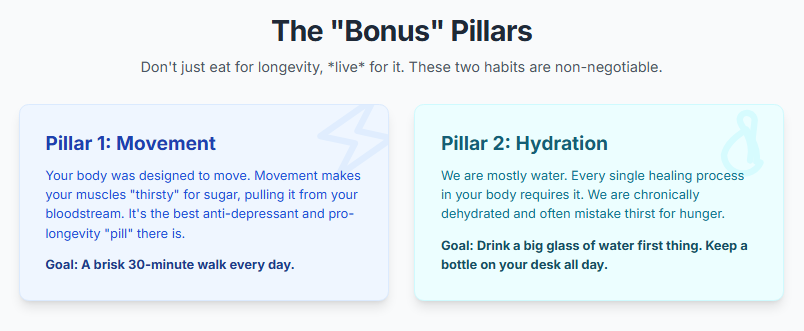
This list is about the 12 foods, but the full “Daily Dozen” plan includes two other non-negotiable pillars.
Pillar 1: Movement
Your body was designed to move. You don’t have to run a marathon. The goal is just consistent motion.
- What it does: Movement makes your muscles “thirsty” for sugar, pulling it out of your bloodstream (which is why a walk after a meal is so powerful). It boosts your mood and strengthens your heart.
- My goal: A brisk 30-minute walk every day. That’s it. It’s the best anti-depressant, anti-anxiety, and pro-longevity “pill” there is.
Pillar 2: Hydration
We are mostly water. Every single healing process in your body requires it.
- The Mistake: We are chronically dehydrated, and we often mistake thirst for hunger.
- My goal: I drink a big glass of water first thing when I wake up. I keep a water bottle on my desk all day. My primary beverages are water and herbal tea.
My Personal Advice as a Health Advocate
I know what you’re thinking. “This list is overwhelming. Do I really have to eat all of this every day?”
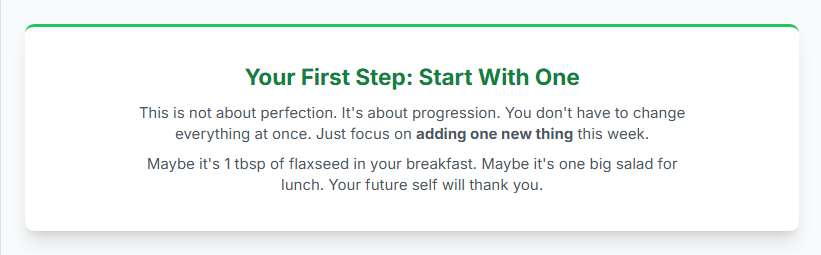
Please, hear me on this: This is not about perfection. It’s about progression.
When I first saw this list, I felt overwhelmed, too. I was nowhere close. But I didn’t try to change everything at once. I made a different choice.
I adopted an “add, don’t subtract” mindset.
I didn’t try to “give up” all my old foods. I just focused on adding one new thing.
- Week 1: I just added 1 tablespoon of ground flax to my breakfast. That was my only goal.
- Week 2: I kept the flax and added a handful of berries to my breakfast.
- Week 3: I kept the flax and berries and made a goal to have one big salad for lunch.
Slowly, over time, my plate started to change. The “good” stuff started to crowd out the “bad” stuff. And the most amazing part? My cravings changed. My body started asking for berries, not cookies. I felt so good, so energized, that the junk food just lost its appeal.
Start with one thing.
Myths vs. Facts: Busting Longevity Lies
- Myth: “I need meat for protein.”
- Fact: This is the most persistent myth in nutrition. All whole plant foods have protein. Beans, lentils, tofu, quinoa, and even whole grains are packed with it. If you are eating a varied, whole-food plant-based diet, you will get all the protein you need, and it comes packaged with fiber and antioxidants, not saturated fat and cholesterol.
- Myth: “It’s too complicated and expensive.”
- Fact: What are the cheapest foods in the grocery store? Beans, lentils, oats, potatoes, and bananas. These are the staples of a long, healthy life. Eating this way is far cheaper than buying processed convenience foods, and it’s certainly cheaper than a heart attack.
- Myth: “My genes determine my health.”
- Fact: Your genes load the gun, but your lifestyle pulls the trigger. As I said before, these foods literally change your gene expression. You have far more control than you’ve been led to believe.
FAQs (Frequently Asked Questions)
1. Do I have to eat all 12 of these every single day?
Think of it as a checklist to aim for. Some days you’ll hit all 12. Other days you might only hit 8. That’s fine! The goal is to be mindful and to try to get as many as you can, as often as you can. It’s consistency over time that matters.
2. What counts as a “serving”?
Dr. Greger has a great checklist on his website, but a good rule of thumb is:
- Beans: 1/2 cup cooked
- Berries: 1/2 cup fresh or frozen
- Greens: 1 cup raw or 1/2 cup cooked
- Flaxseed: 1 tablespoon, ground
- Nuts/Seeds: 1/4 cup
3. What about supplements? Can’t I just take a pill?
You can’t supplement your way out of a bad diet. Food is a complex package. The fiber, the antioxidants, the water, and the thousands of phytonutrients all work together in a “symphony” that a pill can’t replicate. The only supplement most people eating this way need is Vitamin B12.
4. Does “organic” matter?
The science is clear: the health benefits of eating fruits and vegetables—conventional or organic—far outweigh any potential risk from pesticides. My advice? Buy organic when you can (especially for the “Dirty Dozen”), but if your budget is tight, just buy the vegetables. A conventional apple is a million times better than an organic cookie.
5. What about oil? Is olive oil healthy?
This is a controversial one. For preventing disease, a little extra-virgin olive oil is fine. But if you are trying to reverse heart disease, most programs recommend avoiding all added oils, as they are a 100% processed fat that can be hard on your arteries. You get all the healthy, whole fats you need from nuts, seeds, and avocados.
A Final Word of Encouragement
Your body is a miracle. It is a self-healing machine that has been trying to get your attention.
This list of 12 foods is not a restriction. It is a liberation. It is the key to unlocking your body’s own healing power. You don’t need to wait for a new miracle drug or a fancy new diet. The power is on your plate, right now.
Start with one. Add one good thing to your plate today. Your future self will thank you.
Disclaimer: I am a health advocate and writer, not a medical doctor. The information in this article is for informational purposes only and is not a substitute for professional medical advice, diagnosis, or treatment. Always seek the advice of your physician.