
- The Old Myth: We used to believe that you were born with a set number of brain cells and that once they died, they were gone forever.
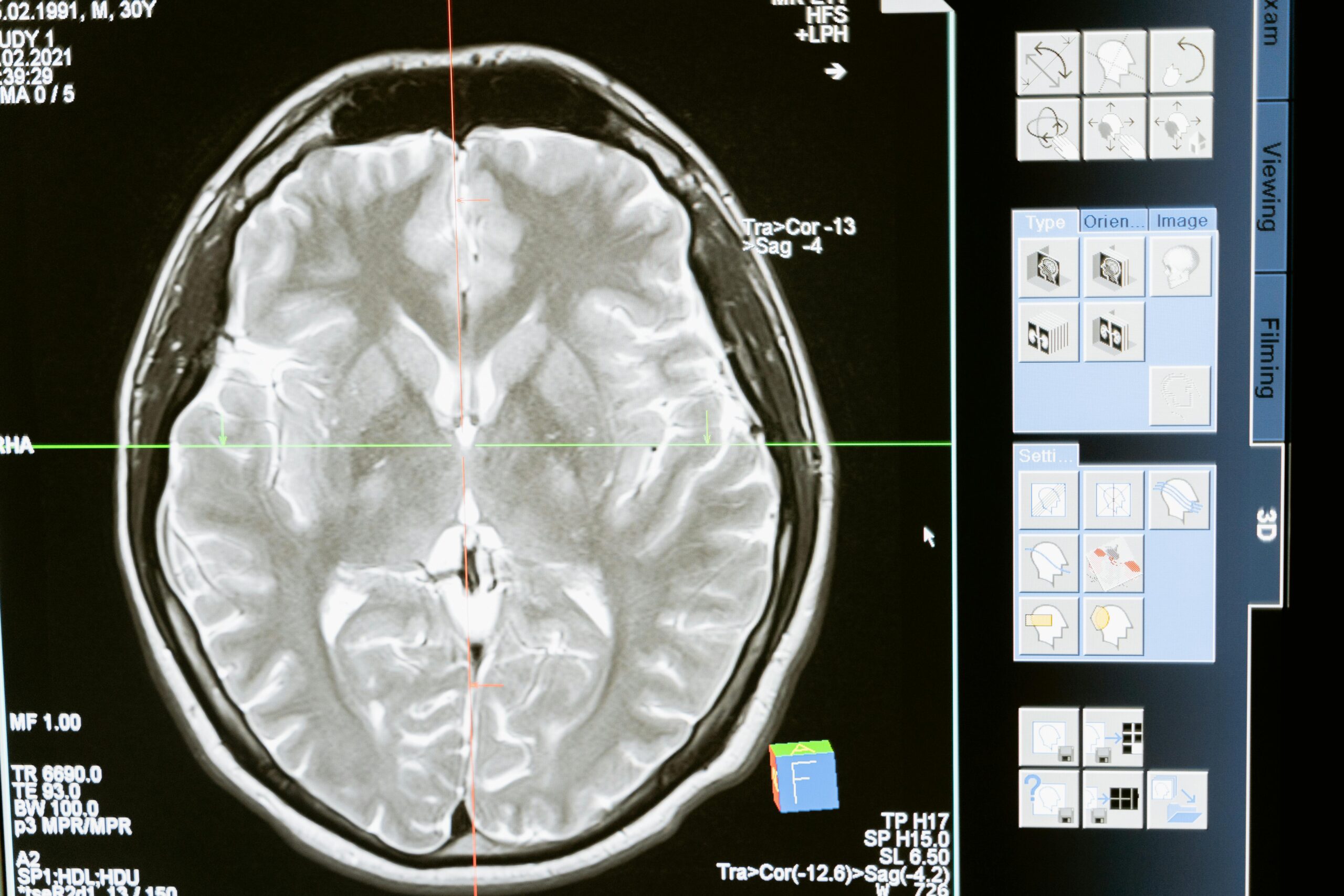
- The New Science: Neurogenesis (the growth of new neurons) happens throughout your entire life, specifically in the hippocampus, the center of memory and learning.
- The Fuel: This process isn’t automatic. It relies on BDNF (Brain-Derived Neurotrophic Factor), a protein you can boost directly through specific foods like green tea, dark chocolate, and berries.
Your Next Thought Is Built From Your Last Meal
For decades, neuroscience operated under a depressing assumption: The brain is a dying organ. We were told that after childhood, our brain cells slowly withered away, leading to inevitable cognitive decline.
That assumption was wrong.
Groundbreaking research, including studies published in Frontiers in Neuroscience and popularized by Dr. William Li in Eat to Beat Disease, has proven that the adult brain is capable of regenerating. We contain neural stem cells that are waiting to be “switched on” to grow into new, functioning neurons.
This means you have more control over your cognitive destiny than you ever imagined. You aren’t just the pilot of your brain; you are the mechanic.
But here is the catch: Neurogenesis requires fuel.
If you feed your body inflammation and processed sugar, you are essentially starving these stem cells. But if you feed them the right bioactive compounds, you are pouring “Miracle-Gro” on your neural garden.
Here is how to turn your diet into a brain-building protocol.
The “Neuro-Trio”: Foods That Spark Growth
The prompt for neurogenesis often comes from a protein called BDNF (Brain-Derived Neurotrophic Factor). Think of BDNF as fertilizer. It protects existing neurons and encourages the growth of new ones.
Three specific foods have been scientifically shown to boost BDNF and stimulate neural stem cells.
1. Green Tea: The Stem Cell Activator
Coffee is great for alertness, but for regeneration, green tea is king.
- The Compound: EGCG (Epigallocatechin gallate).
- The Mechanism: EGCG is a potent antioxidant that crosses the blood-brain barrier. Research indicates it not only protects cells but actively stimulates the production of neural progenitor cells (the “baby” cells that become neurons).
- The Protocol: Aim for 1–2 cups daily. Matcha is the most potent form because you are consuming the whole powdered leaf, giving you a concentrated dose of EGCG.
2. Dark Chocolate: The Blood Flow Booster
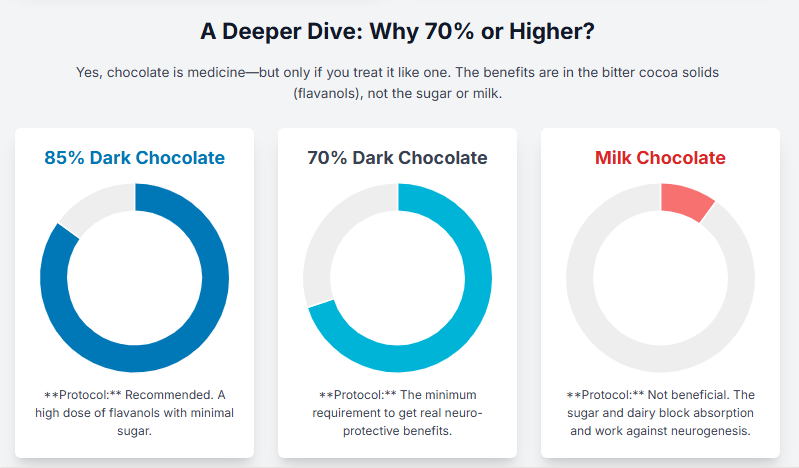
Yes, chocolate is medicine—but only if you treat it like one.
- The Compound: Flavanols.
- The Mechanism: These compounds improve endothelial function (the lining of blood vessels), increasing blood flow to the brain. High-flavanol cocoa has been linked to improved cognitive performance and the mobilization of stem cells.
- The Protocol: It must be 70% cocoa or higher. Milk chocolate is just candy; the sugar and dairy block the absorption of the beneficial antioxidants. You want the bitter, dark stuff.
- Dose: 1 ounce (about 2 squares) a day.
3. Stone Fruits & Berries: The Memory Shield
We’ve discussed berries for protection, but they are also vital for growth.
- The Compound: Anthocyanins and Chlorogenic Acid.
- The Mechanism: These compounds inhibit the enzymes that break down neurochemicals, effectively keeping your brain chemistry balanced for growth. They also reduce the neuro-inflammation that kills new cells before they can mature.
- The Protocol: Blueberries, blackberries, and even stone fruits like peaches and plums (which contain chlorogenic acid) should be in your rotation.
The “Neuro-Day”: A Sample Schedule
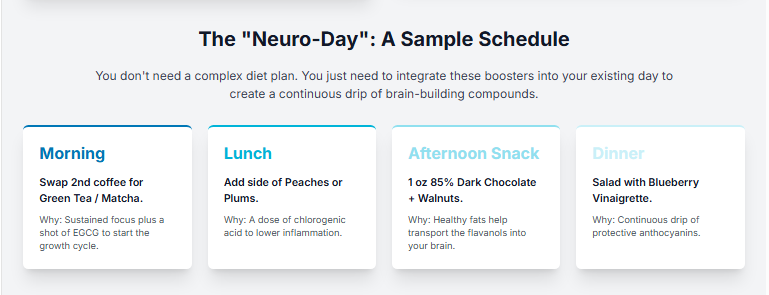
You don’t need a complex diet plan. You just need to integrate these boosters into your existing day.
- Morning: Swap your second cup of coffee for a Green Tea or Matcha Latte.
- Why: Sustained focus without the jitters, plus a shot of EGCG to start the growth cycle.
- Lunch: Add a side of Peaches or Plums (fresh or frozen).
- Why: A dose of chlorogenic acid to lower inflammation.
- Afternoon Snack:1 oz of 85% Dark Chocolate + a handful of Walnuts.
- Why: The healthy fats in walnuts help transport the flavanols from the chocolate into your brain.
- Dinner: A large salad with a Blueberry Vinaigrette.
- Why: Continuous drip of anthocyanins.
The “Anti-Nutrients”: What Kills Brain Cells?
You can’t plant a garden in toxic soil. While you add the good stuff, you must limit the things that actively halt neurogenesis.
- Refined Sugar: High blood glucose levels reduce BDNF production. Sugar literally shrinks the hippocampus.
- Chronic Stress: High cortisol levels are toxic to new neurons. Stress management (meditation, walking) is just as important as diet.
- Sleep Deprivation: Neurogenesis happens primarily while you sleep. If you aren’t sleeping, you aren’t growing.
Myths vs. Facts: The Brain Edition
- Myth: “Brain games” (like crossword puzzles) are the best way to keep the brain young.
- Fact: While mental stimulation is good, aerobic exercise and diet have a much stronger physiological effect on neurogenesis. You can’t puzzle your way out of a bad diet.
- Myth: Alcohol kills brain cells that never grow back.
- Fact: Excessive alcohol does damage the brain and inhibit growth, but because of neurogenesis, recovery is possible if you stop or significantly reduce intake and fuel the repair process.
- Myth: I’m too old for this to work.
- Fact: Neurogenesis has been observed in humans into their 90s. The rate may slow down, but it never stops—unless you stop fueling it.
FAQs
1. Does white chocolate count?
No. White chocolate contains cocoa butter but none of the cocoa solids where the flavanols live. It is essentially fat and sugar.
2. Can I use decaf green tea?
Yes, provided it is water-processed. However, some of the antioxidant content can be lost in the decaffeination process. Regular green tea is usually preferred unless you are very sensitive to caffeine.
3. Is one better than the other?
They work synergistically. Green tea stimulates, chocolate improves flow, and berries protect. The “Daily Dozen” approach suggests variety is key.
Your Brain Is Under Construction
The most empowering thought you can have is this: The brain you have today does not have to be the brain you have next year.
Every time you choose the dark chocolate over the candy bar, or the green tea over the soda, you are casting a vote for a sharper, faster, more resilient mind. You are building the hardware for your future thoughts.
Feed it well.
Disclaimer: I am a health advocate and writer, not a medical doctor. The information in this article is for informational purposes only and is not a substitute for professional medical advice, diagnosis, or treatment. Always seek the advice of your physician.