
For decades, the concept of improving gut health sounded like a long, arduous process—a journey requiring weeks or even months of dietary overhaul. We were told to slowly increase fiber, cautiously introduce new vegetables, and generally wait for the microscopic ecosystem in our intestines to grudgingly adapt.
Modern nutritional science, however, is rewriting this playbook.
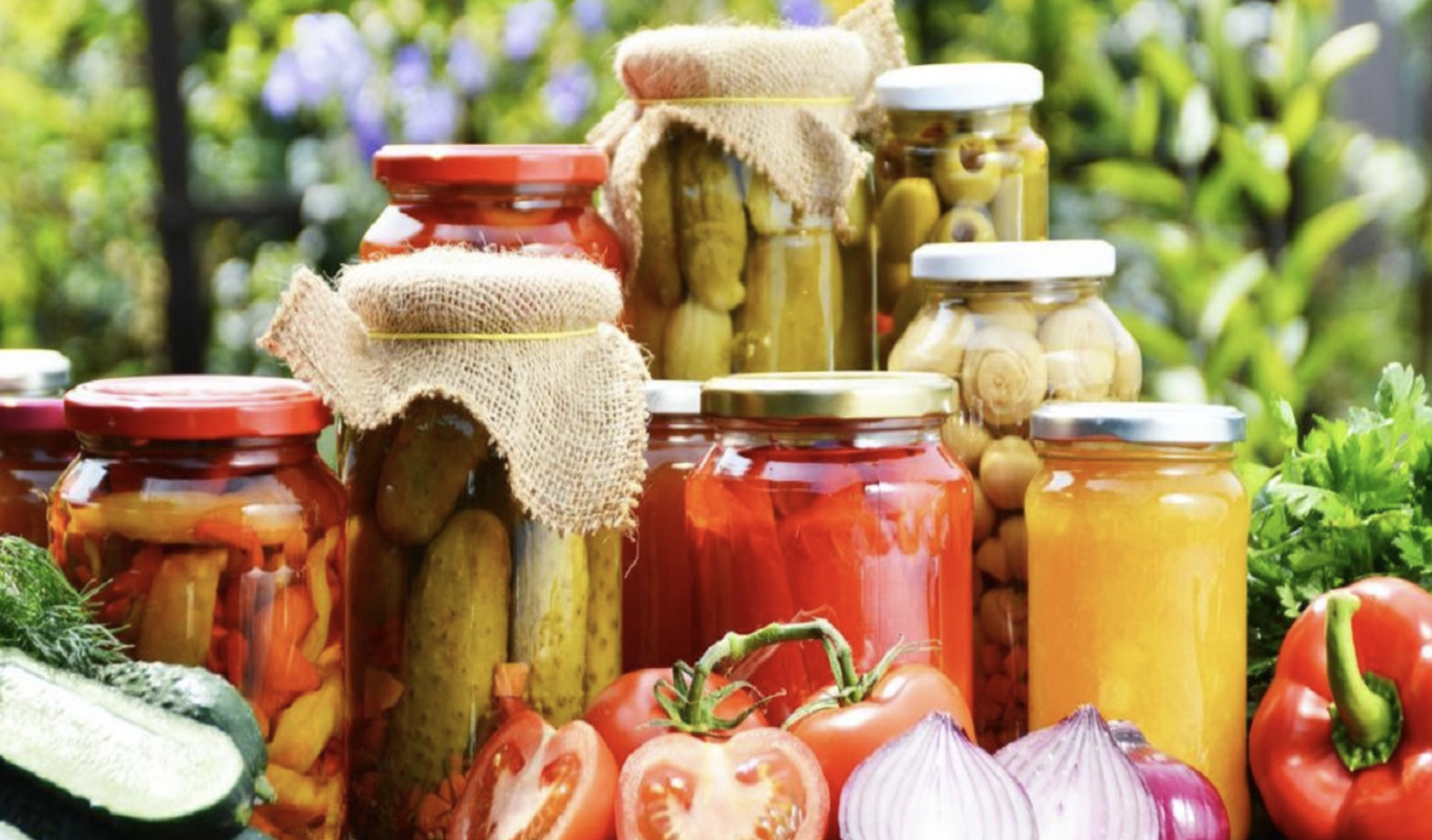
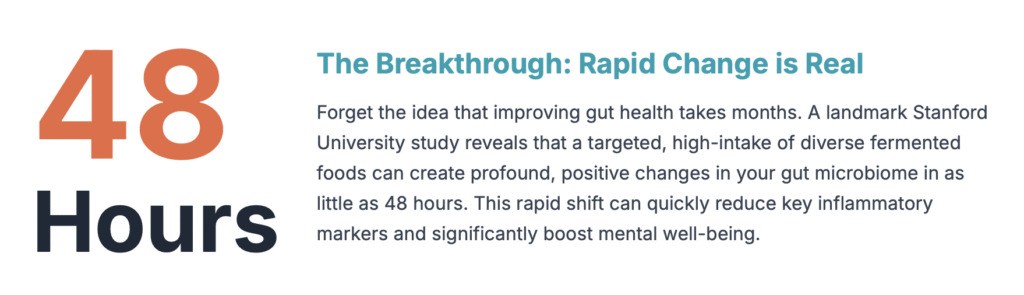
A recent, landmark study from Stanford University has provided compelling evidence that a specific dietary intervention can lead to rapid, profound changes in the gut microbiome in as little as 48 hours. The secret lies not just in consuming probiotics, but in a targeted, high-intake approach to one of the oldest food preparation methods on earth: fermentation.
https://youtu.be/tokEa2DGcaA?si=un7vp9uSmJY6vBtE
This isn’t just about digestion; the research reveals that this rapid microbial boost can quickly reduce key inflammatory markers and significantly improve mental well-being, challenging our assumptions about how fast we can truly heal from the inside out.
The Gut-Brain Axis: Where Fermentation Works Its Magic
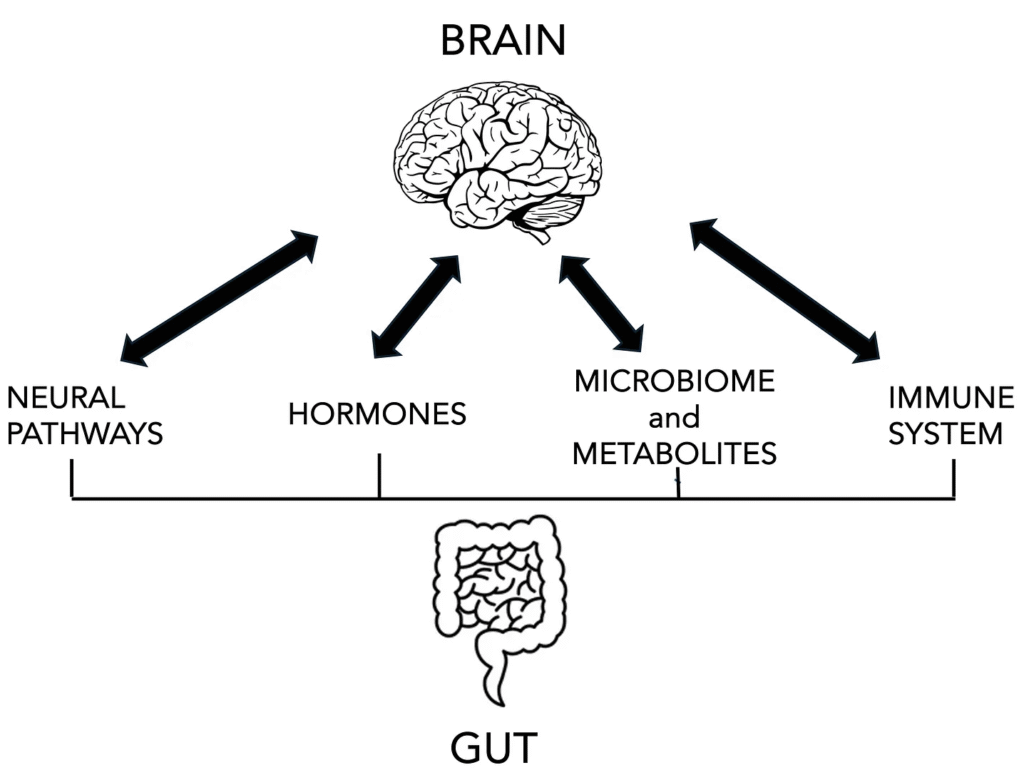
To understand the power of fermented foods, we must first appreciate the intricate connection between the gut and the brain, known as the Gut-Brain Axis.
The gut microbiome—a complex community of trillions of bacteria, fungi, and viruses—is essentially a second brain, constantly communicating with the central nervous system through chemical signals. These microbes don’t just help digest food; they produce crucial compounds called Short-Chain Fatty Acids (SCFAs), like butyrate, which nourish the colon lining, regulate the immune system, and even cross the blood-brain barrier to influence neurotransmitter production.
When the gut is imbalanced (a state called dysbiosis), harmful bacteria can thrive, leading to a “leaky gut” and promoting systemic, low-grade inflammation. This inflammation isn’t confined to the digestive tract; it’s a known driver of mood disorders, anxiety, and fatigue.
The Breakthrough: A Feast of Ferments
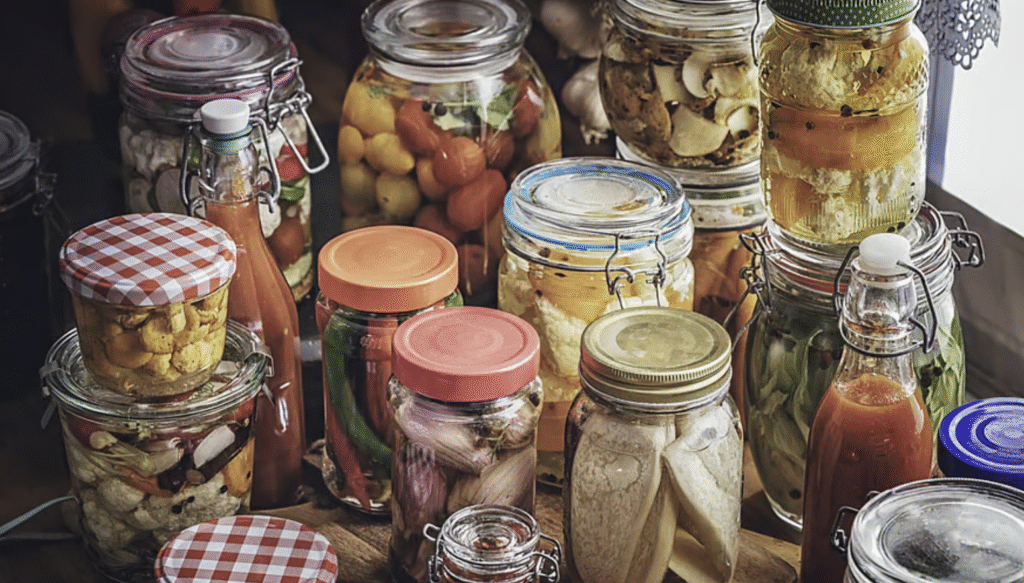
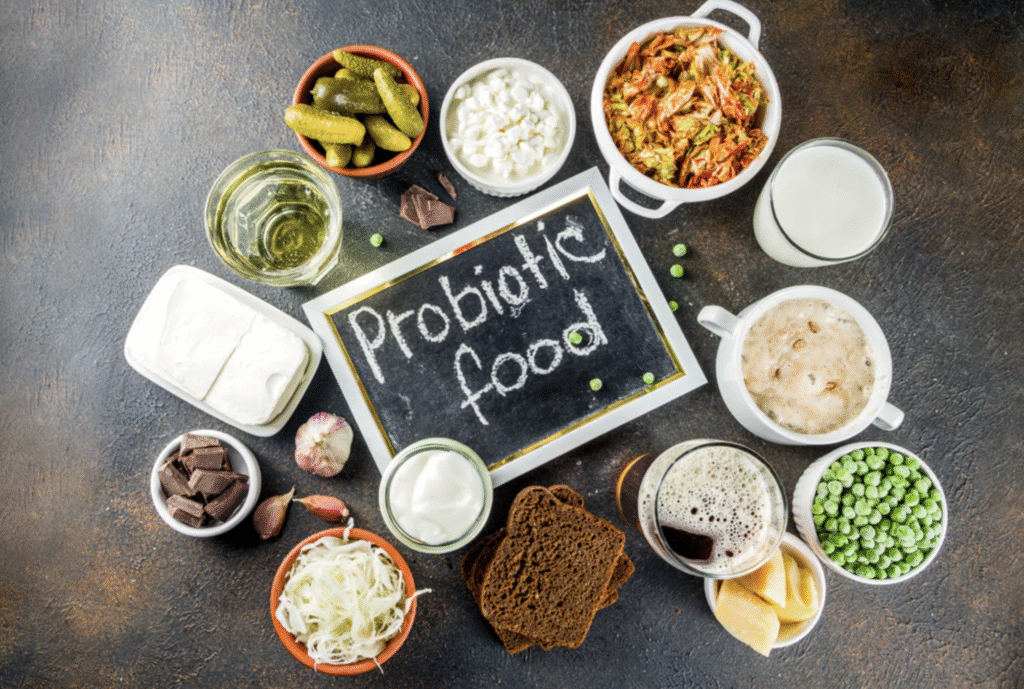
The Stanford study, published in the prestigious journal Cell, focused on two groups: one introduced a high-fiber diet, and the other adopted a diet rich in various fermented foods, including kimchi, sauerkraut, kombucha, and kefir.
The results were astonishing, particularly for the fermented food group.
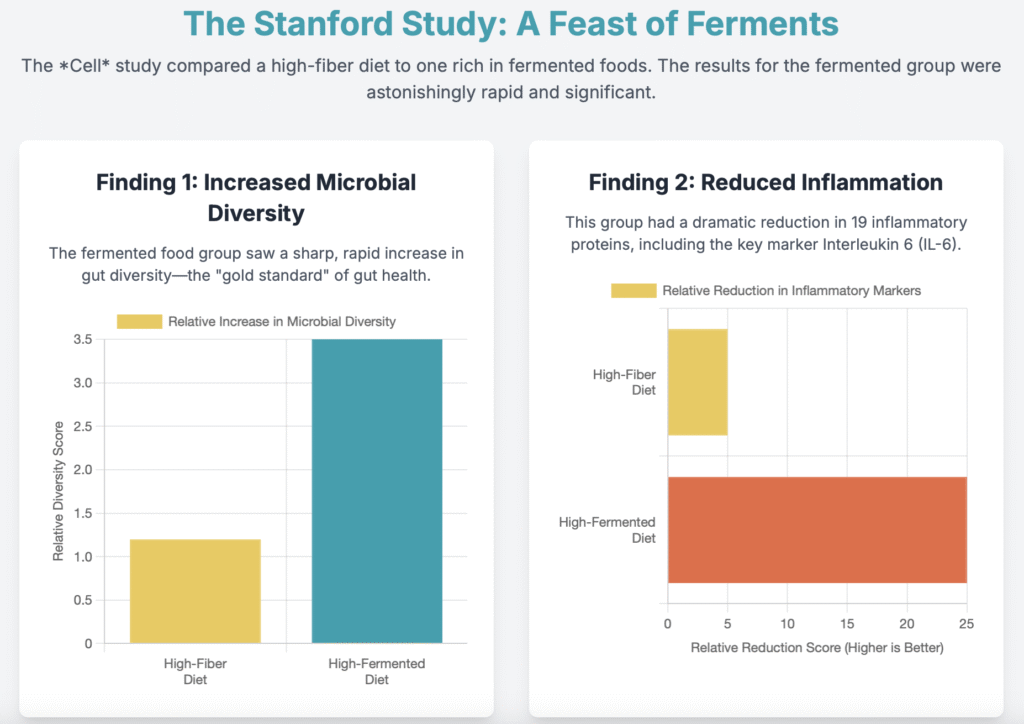
💡 Fermented Foods Rapidly Increase Microbial Diversity
While both groups saw some benefits, the subjects consuming the fermented foods experienced the most significant, rapid, and sustained shifts in their gut composition. Within four weeks of adopting the high-fermented food diet, the participants showed:
- Increased Microbial Diversity: This is the gold standard for a healthy gut. The greater the variety of species, the more resilient and adaptable the ecosystem. The fermented food group showed a sharp increase in diversity, with the introduction of new, beneficial strains of bacteria.
- Reduced Inflammatory Markers: The most exciting finding was the dramatic reduction in 19 different inflammatory proteins, including Interleukin 6 (IL-6), a key marker of chronic inflammation linked to conditions from arthritis to Alzheimer’s disease. Crucially, the effects began almost immediately and scaled with the intake of fermented foods.
- Rapid Colonization: Unlike standard probiotic pills, which often contain just a few strains, a diverse fermented food diet provides a rich “ecosystem” that appears to foster a highly hospitable environment for existing beneficial bacteria to thrive. The rapid shift observed suggests that these foods don’t just introduce new bacteria; they fundamentally change the soil (the gut environment) in which all bacteria grow.
🧠 This Boost Reduces Inflammation and Lifts Mood Fast

The connection between reduced inflammation and improved mood is no longer theoretical. Chronic inflammation stresses the brain, interfering with the production and signaling of neurotransmitters like serotonin and dopamine. By cooling down the body’s inflammatory response, the fermented foods effectively take the “pressure” off the central nervous system.
While the Stanford study wasn’t a dedicated mood trial, the documented reduction in inflammatory markers strongly supports the anecdotal evidence reported by many who adopt these foods: less stress, better sleep, and a palpable lift in mood and focus. The rapid shift means that these mental benefits can often be felt much sooner than expected, sometimes within the first week of sustained consumption.
The Fermented Food Hierarchy: Choosing the Winners
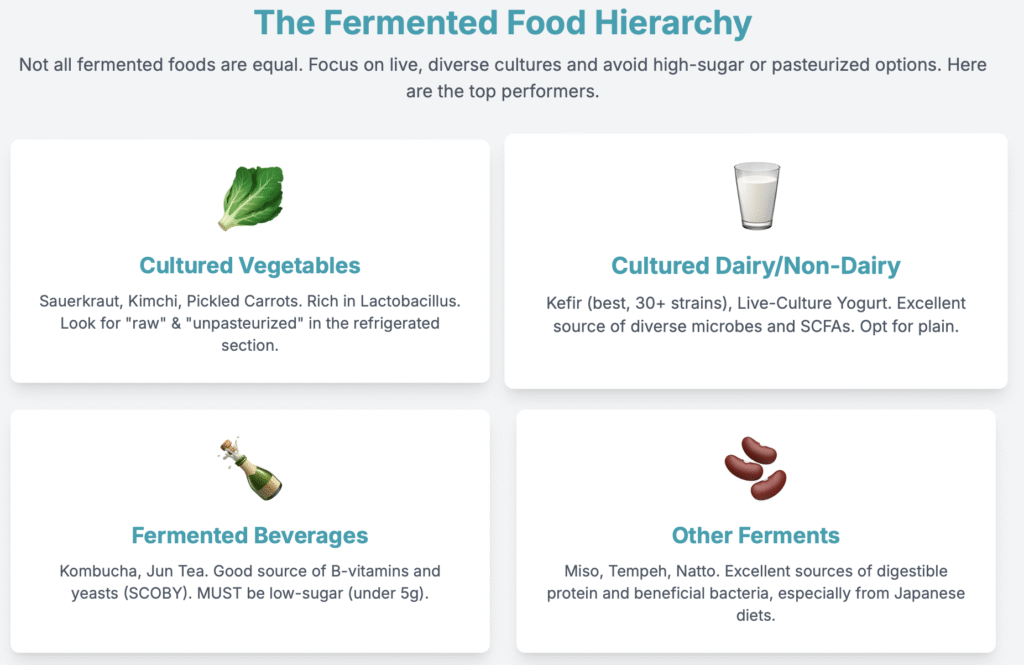
Not all probiotic foods are created equal. The key to maximizing the benefit is to focus on live, diverse cultures and avoid those with excessive sugars or pasteurization, which kills the beneficial microbes.
Here is a breakdown of the top performers, emphasizing those used in successful clinical trials:
| Category | Recommended Foods | Key Benefit/Feature |
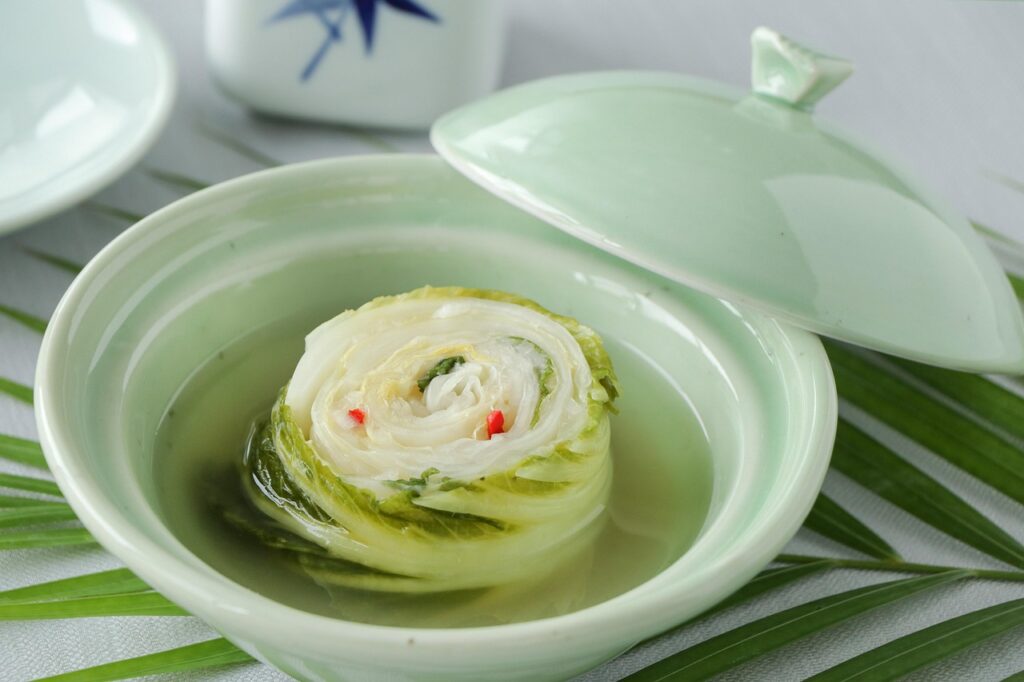
| Cultured Vegetables | Sauerkraut, Kimchi, Pickled Carrots (naturally fermented) | Rich in fiber, Lactobacillus strains, and Vitamin C. Look for “raw” or “unpasteurized.” |
| Cultured Dairy/Non-Dairy | Kefir (Dairy and Water), Yogurt (Live Cultures) | High concentration of diverse strains (Kefir can contain 30+ strains). Excellent source of SCFAs. |
| Fermented Beverages | Kombucha, Jun Tea | Good source of B-vitamins and a variety of bacteria and yeasts (SCOBY). MUST be low-sugar. |
| Other | Miso, Tempeh, Natto | Excellent sources of digestible protein and beneficial bacteria, particularly popular in Japanese diets. |
👀 The Paradox: One Popular Probiotic Food Actually Reduces Diversity
While the fermentation category is generally beneficial, there is one major exception that surprised researchers and consumers alike: commercial yogurt.
The Stanford study found that while traditional, high-quality, homemade yogurt with diverse live cultures can be beneficial, many commercially available yogurts are often weak sources of diverse bacteria. More problematically, others are so high in added sugars or artificial ingredients that the negative impact of the sugar outweighs the positive impact of the probiotics.
The Paradox: When the diet is dominated by high-sugar, low-diversity commercial yogurt, the total microbial diversity can actually decrease. The gut microbiome is often simplified, with only a few sugar-loving strains dominating the ecosystem, leaving little room for the wide variety of species needed for true gut resilience.
The Takeaway: When choosing yogurt, look for labels that explicitly state “Live and Active Cultures,” have minimal added sugar, or, better yet, opt for a Kefir product, which almost always contains a far greater diversity of beneficial bacteria and yeasts.
⏳ A 48-Hour Plan: Starting Your Gut Transformation

The beauty of this research is the speed of change. You don’t need to wait a month to feel different. Here is a simple, actionable plan to begin harvesting these benefits in the next 48 hours:
Day 1: The Introduction
- Morning: The Kefir/Yogurt Swap. Replace your standard breakfast beverage or snack with a half-cup (about 120ml) of plain, unsweetened Kefir. If you cannot tolerate dairy, use water kefir or unsweetened coconut/almond milk kefir. This is your rapid-fire delivery system for diverse microbes.
- Lunch/Dinner: The Cultured Crunch. Introduce 1/4 to 1/2 cup of raw, unpasteurized Sauerkraut or Kimchi to your plate. Add it to a sandwich, serve it alongside your protein, or eat it directly. Crucial: Look for refrigerated products—canned or shelf-stable versions are typically pasteurized and lack live cultures.
- Throughout the Day: Drink plenty of water and continue to eat a whole-food diet, avoiding processed sugars and artificial sweeteners, which feed the harmful bacteria you are trying to displace.
Day 2: The Double Dose
- Morning: Continue the Kefir routine.
- Afternoon Snack: Have a small glass of low-sugar Kombucha. This introduces a different set of beneficial bacteria and yeasts (SCOBY) to further diversify your intake. Look for varieties with less than 5 grams of sugar per serving.
- Dinner: If you enjoyed the cultured vegetables, increase your serving size slightly to a full cup (if comfortable). Consistency is key.
Within this short period, you are setting the stage for significant change. While noticeable physical effects vary, many report better bowel regularity, reduced bloating, and a subtle shift in energy and mood within the first week.
Beyond the Bacteria: The Holism of Gut Health

While fermented foods are a powerful and fast-acting tool, they are not a silver bullet. Their effectiveness is maximized when paired with core principles of gut support:
- Fiber (Prebiotics): The beneficial bacteria you introduce need to eat! Fiber-rich foods like oats, bananas, garlic, onions, and asparagus act as prebiotics—the food source for your good bacteria. A diet high in fermented foods without sufficient fiber will not sustain the changes.
- Hydration: Water is necessary for the smooth transit of food and waste through the digestive tract.
- Stress Management: High stress releases cortisol, which can directly impair gut barrier function and favor the growth of inflammatory bacteria. Techniques like mindful breathing and exercise are just as important as diet.
Conclusion: A Simple Investment in Complex Health
The research is clear: the path to a healthier, happier gut is shorter than we once believed. By strategically integrating diverse, live-culture fermented foods into your daily routine, you can rapidly increase microbial diversity, reduce systemic inflammation, and influence your mental health.
Don’t wait for a complicated regimen or a long-term plan. Start with a spoonful of sauerkraut or a shot of kefir today. The investment of just two minutes to prepare these powerful foods can initiate a chain reaction of benefits, proving that the most ancient dietary wisdom is often the fastest path to modern health.
Your brain, your mood, and your immune system are ready for the upgrade—and it can start tonight.