
SEO Summary:
- Conventional dairy, especially high-sugar varieties, can promote systemic inflammation in some individuals due to lactose or casein sensitivity.
- Fermented dairy, such as kefir or unsweetened Greek yogurt, significantly reduces inflammation by modulating gut microbiota.
- The key to its healing power is the fermentation process, which introduces beneficial probiotics and breaks down potential irritants.
Why I Changed My Mind About Milk
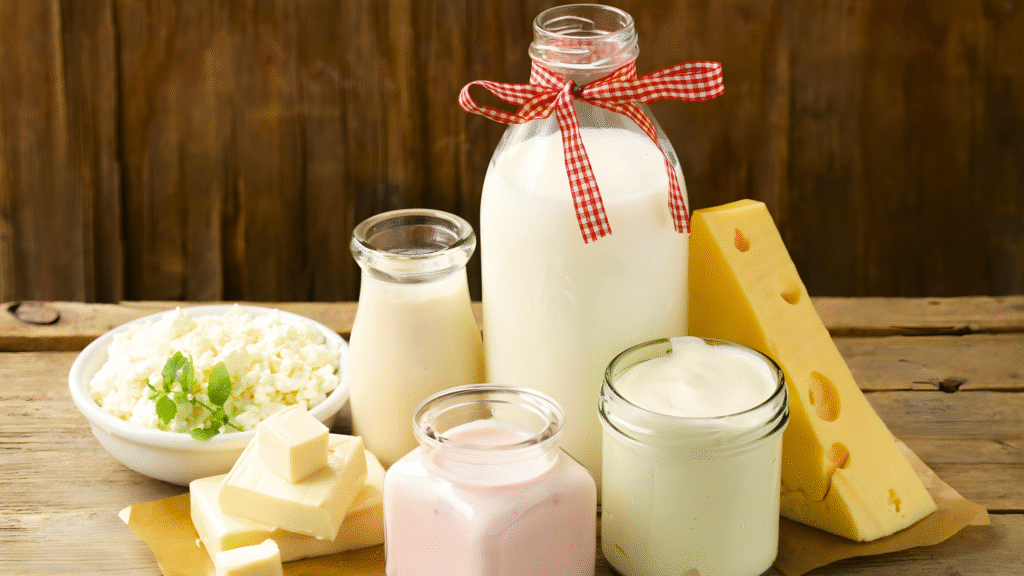
For years, dairy was a confusing topic for me. On one hand, I heard the message that milk was essential for bone health. On the other, I saw anecdotal evidence—and increasing scientific data—suggesting that conventional dairy could be a hidden source of systemic inflammation, especially in sensitive individuals. My personal experience reflected this confusion; sometimes a glass of milk felt fine, and other times it left me feeling sluggish and bloated.
The key breakthrough came when I realized the difference wasn’t about “dairy” as a single entity, but about the preparation. Pasteurized, homogenized milk can, for some, be inflammatory due to its lactose content or specific proteins (casein). But its fermented cousin transforms into one of the most powerful anti-inflammatory foods available. It’s not the milk itself that is the problem; it’s what modern processing has done to it.
I want to share the specific type of dairy I now consume daily—and the science behind why this single switch can turn an inflammatory food into a healing one, primarily by boosting the health of your gut.
The Gut-Inflammation Connection
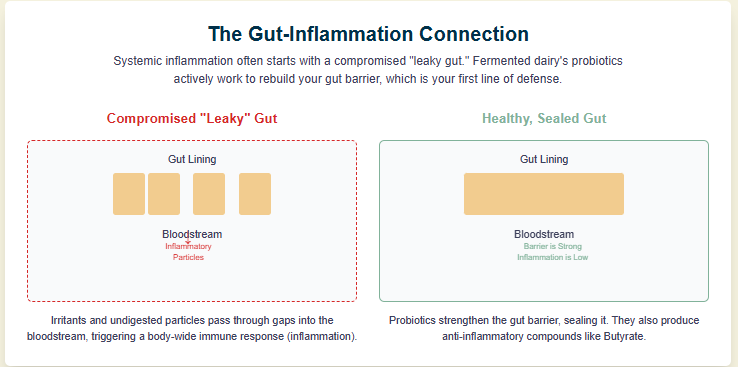
To understand why some dairy is harmful and some is helpful, we must first look at the gut. Systemic inflammation—the kind that silently drives chronic diseases like heart disease, diabetes, and joint pain—often starts in a compromised gut lining, leading to a condition known as “leaky gut.”
The Problem with Conventional Milk

When sensitive people drink regular milk, the large amount of lactose (milk sugar) and the structure of the casein protein can be difficult for the digestive system to handle. This can lead to digestive distress and, more importantly, can trigger a low-grade immune response in the gut lining, which spills out into the rest of the body as inflammation.
The Solution: Fermentation
The answer lies in fermented dairy, specifically products like unsweetened kefir and plain Greek yogurt.
During the fermentation process, live bacteria cultures (probiotics) feast on the milk’s lactose, breaking it down into easily digestible lactic acid. They also begin to pre-digest the proteins, making them less irritating. The resulting food is a powerhouse of beneficial bacteria that actively repopulate your gut with friendly flora.
A healthy, diverse gut microbiome is your first defense against inflammation. The probiotics in fermented dairy help to:
- Seal the Gut Barrier: They strengthen the intestinal lining, helping to stop inflammatory substances from entering your bloodstream.
- Produce Anti-Inflammatory Compounds: Gut bacteria produce beneficial short-chain fatty acids (SCFAs) like butyrate, which is a powerful anti-inflammatory compound that feeds your colon cells.
I realized that by consuming fermented dairy, I wasn’t just getting calcium; I was actively modulating my immune system for the better.
The Healing Dairy: Kefir and Plain Yogurt
The single best type of dairy for healing and reducing inflammation is Kefir . This cultured, fermented beverage is often called “the champagne of dairy” because of its slightly bubbly consistency, but its health benefits are anything but light.
Kefir’s Unique Advantage
Kefir typically contains three times as many probiotic strains as yogurt, making it a far superior choice for maximizing gut flora diversity. I find that its thin, drinkable texture makes it incredibly easy to incorporate daily.
How to Choose the Best Healing Dairy:
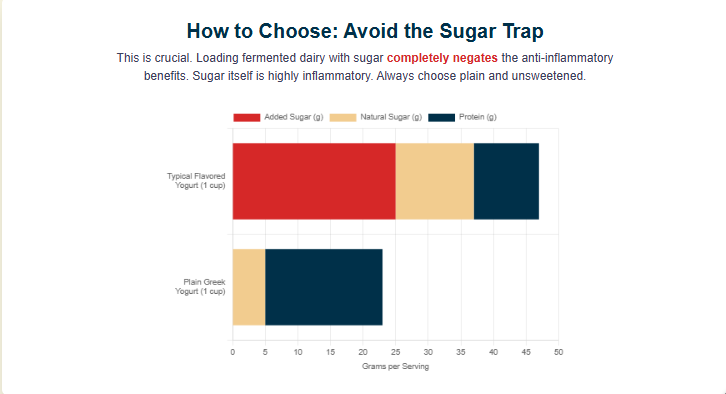
- Avoid the Sugar Trap: This is crucial. If the fermented dairy is loaded with added sugar (as most flavored yogurts are), you completely negate the anti-inflammatory benefits. Sugar itself is highly inflammatory. Always choose plain, unsweetened Greek yogurt or kefir.
- Look for “Live Active Cultures”: Check the label to ensure the product contains these cultures, which confirms its probiotic power.
- Go Full-Fat (Often Better): Full-fat dairy is often less processed and can provide beneficial conjugated linoleic acid (CLA), which has been linked to anti-cancer and anti-inflammatory effects.
My routine now involves a morning smoothie where I mix unsweetened kefir with my berries and flaxseeds. It’s a powerful, gut-healing breakfast that sets my body up for the day.
My Personal Advice as a Health Advocate
I want to empower you to see this choice as an act of personal experimentation. If you’ve always avoided dairy because it made you feel unwell, try the fermented, low-lactose versions before you rule out the entire food group.
I often encourage my friends to try a simple, 14-day swap: replace your typical milk or sugary yogurt with unsweetened, plain Greek yogurt or kefir. Pay attention to how your body feels—not just your digestion, but your energy levels, joint comfort, and even your skin.
For me, the difference was remarkable. The occasional sluggishness disappeared, and my digestion became far more consistent. It’s a perfect example of how traditional food preparation—fermentation—is often the key to unlocking the medicinal properties of food that modern processing tends to obscure. It reminds me that sometimes, the oldest ways are the healthiest ways.
FAQs (Frequently Asked Questions)
Is sour cream considered healing dairy?
While sour cream is fermented, it contains far fewer live active cultures than kefir or yogurt and is primarily a source of saturated fat. It doesn’t offer the same therapeutic probiotic benefit.
What about cottage cheese?
Cottage cheese is technically a curd product and is not as rich in live active cultures as yogurt or kefir. Its lactose content is also higher, so it may still be irritating for sensitive individuals.
Can I get the same benefits from non-dairy yogurt?
Non-dairy yogurts (almond, coconut, soy) that contain “live active cultures” can definitely provide probiotics, which is beneficial. However, they lack the specific milk proteins and compounds that make dairy kefir and yogurt uniquely effective for inflammation.
How much should I eat to see anti-inflammatory effects?
I aim for one daily serving (about a half-cup of yogurt or one cup of kefir). Consistency is more important than quantity.
Conclusion
The journey to better health often involves understanding the nuances of food, and nothing is more nuanced than dairy. I am convinced that the difference between an inflammatory food and a healing one often lies in whether we allow nature’s tiny helpers—probiotics—to do their work.
By opting for fermented, unsweetened dairy like kefir or plain Greek yogurt, you are choosing a food that is essentially pre-digested and actively works to rebuild your gut barrier. This, in turn, quiets the systemic inflammation that ages your body and drives disease. It’s a powerful, simple switch that can dramatically improve your overall sense of well-being.
Take control of the subtle conversation happening between your plate and your gut. Make the switch today, and let the healing begin.
Disclaimer: I am a health advocate and writer, not a medical doctor. The information in this article is for informational purposes only and is not a substitute for professional medical advice, diagnosis, or treatment. Always seek the advice of your physician.
Sources:
Fermented Dairy and Inflammation: Fernández, M., et al. (2016). Fermented Dairy Products and Their Potential to Reduce Inflammation: A Review. Nutrients, 8(12), 794.
Kefir and Gut Microbiota: Bourrie, B. C., et al. (2016). The Microbiome and Probiotics: What’s New? Current Opinion in Gastroenterology, 32(2), 125–131.